Free Online Tally Calculator for Students and Professionals
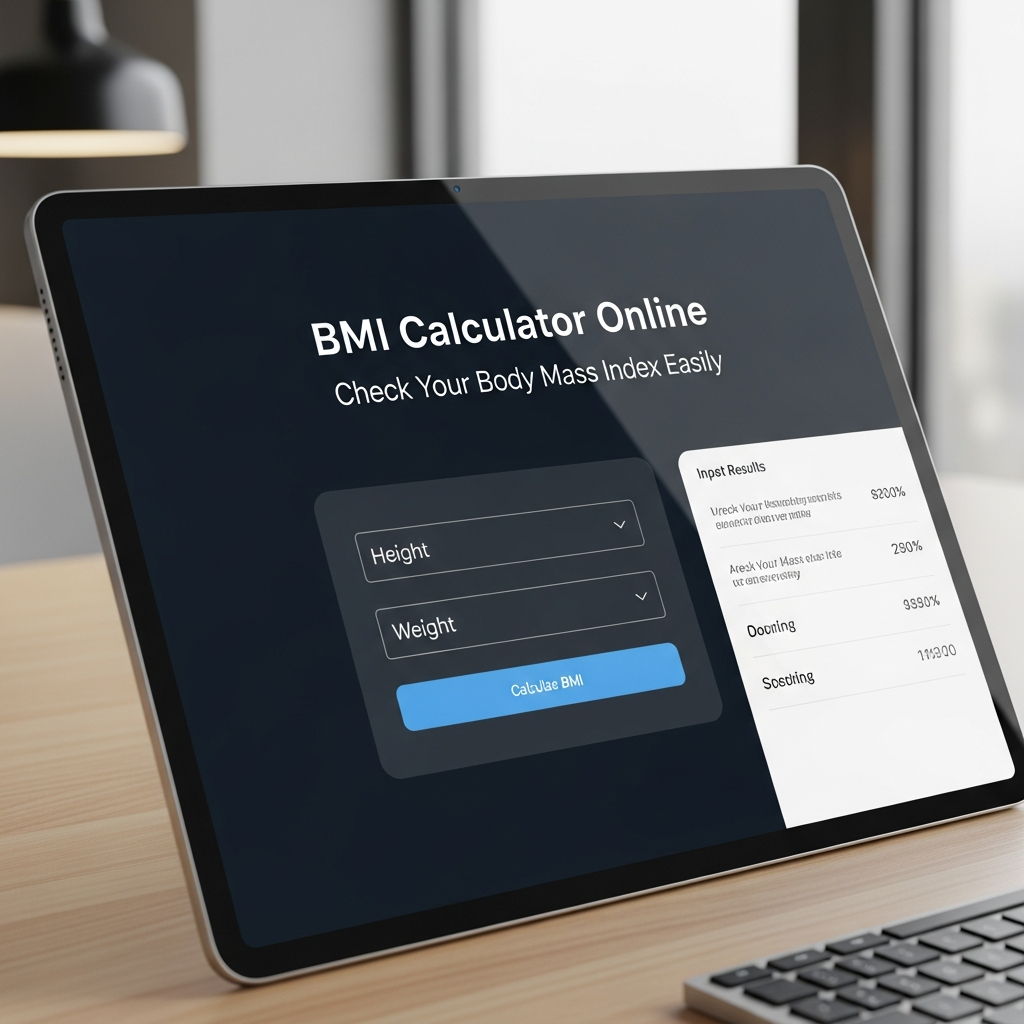
Your weight tells you one thing. Your height tells you another. But together, they reveal something more useful: your Body Mass Index. BMI gives you a quick snapshot of whether your weight falls into a healthy range for your height.
Checking your BMI takes seconds with an online calculator. No complex math, no confusing formulas. Just enter two numbers and get instant feedback about your weight status. Whether you’re tracking fitness goals, monitoring health changes, or just curious, understanding your BMI is a smart starting point.
What Is BMI and Why Does It Matter?
Body Mass Index is a number calculated from your weight and height. It estimates body fat and helps identify potential health risks related to being underweight, overweight, or at a healthy weight.
The formula looks like this:
BMI = weight (kg) / height (m)²
Or in pounds and inches:
BMI = (weight in pounds / height in inches²) × 703
Don’t worry about memorizing that. Online calculators handle the math instantly.
Doctors and health professionals use BMI as a screening tool. It’s not perfect (we’ll get to that), but it provides a useful general indicator of weight-related health risks.
High BMI correlates with increased risk for:
- Heart disease
- Type 2 diabetes
- High blood pressure
- Certain cancers
- Sleep apnea
- Joint problems
Low BMI can indicate:
- Malnutrition
- Weakened immune system
- Bone density issues
- Fertility problems
BMI isn’t the whole story, but it’s a good place to start understanding your health.
Understanding BMI Categories
The World Health Organization defines these BMI ranges for adults:
Underweight: Below 18.5 Your weight may be too low for your height. This can lead to health problems like weakened immunity and bone loss.
Normal Weight: 18.5 to 24.9 You’re in the healthy weight range. This range is associated with the lowest health risks for most people.
Overweight: 25 to 29.9 You’re above the ideal weight range. Some health risks increase, but many people in this range are quite healthy.
Obese Class I: 30 to 34.9 Health risks increase significantly. Your doctor may recommend lifestyle changes or medical interventions.
Obese Class II: 35 to 39.9 Serious health risks. Medical supervision is usually recommended for weight management.
Obese Class III: 40 and above Severe obesity. Immediate medical attention and intervention are strongly recommended.
These categories help you understand where you fall and what it might mean for your health.
How to Use an Online BMI Calculator
Using a BMI calculator is ridiculously simple. Here’s the process:
Step 1: Choose Your Measurement System
Most calculators let you pick between metric (kilograms and centimeters) or imperial (pounds and inches). Use whichever you’re comfortable with.
Step 2: Enter Your Weight
Type in your current weight. Be honest. The calculator doesn’t judge, and accurate numbers give you useful information.
Step 3: Enter Your Height
Input your height. Some calculators want feet and inches separately. Others take total inches or centimeters.
Step 4: Calculate
Click the calculate button. Your BMI appears instantly, usually with your category (underweight, normal, overweight, obese).
Step 5: Read the Results
Most calculators explain what your number means and may provide health recommendations based on your category.
That’s it. The whole process takes 10 seconds.
Example Calculation
Let’s say you’re 5’8″ (68 inches) and weigh 160 pounds.
Using the formula: BMI = (160 / 68²) × 703 BMI = (160 / 4,624) × 703 BMI = 0.0346 × 703 BMI = 24.3
You fall in the normal weight range. No calculator needed if you enjoy math, but why bother when tools exist?
BMI for Different Age Groups
BMI categories work differently depending on your age.
Adults (20 and older)
The standard categories apply. Your BMI classification stays the same whether you’re 25 or 65, though body composition changes with age.
Children and Teens (2-19)
Kids need different BMI standards because they’re still growing. Instead of fixed categories, children’s BMI is compared to others of the same age and sex.
BMI percentiles for kids:
- Underweight: Below 5th percentile
- Healthy weight: 5th to 85th percentile
- Overweight: 85th to 95th percentile
- Obese: 95th percentile and above
If you’re checking BMI for a child, make sure you use a pediatric BMI calculator. Adult calculators give misleading results for kids.
Older Adults (65+)
Some research suggests slightly higher BMI ranges might be healthier for older adults. Muscle loss and bone density changes affect ideal weight as you age.
Many doctors now consider BMI 23-30 acceptable for seniors, though this varies by individual health factors.
What BMI Doesn’t Tell You
BMI is useful but limited. Here’s what it misses:
Muscle vs. Fat
BMI can’t distinguish between muscle and fat. A bodybuilder with low body fat might have an “obese” BMI because muscle weighs more than fat. Athletes often have high BMIs despite being extremely fit.
Fat Distribution
Where you carry weight matters for health. Belly fat (visceral fat) poses more health risks than fat on hips or thighs. BMI doesn’t measure this.
Age and Sex Differences
Women naturally carry more body fat than men. Older people lose muscle mass. BMI doesn’t account for these normal variations.
Bone Density
People with denser bones weigh more but aren’t necessarily overfat. BMI treats all weight equally.
Individual Health Markers
Two people with identical BMIs can have completely different health profiles. Blood pressure, cholesterol, blood sugar, and fitness levels matter more than BMI alone.
Ethnicity
Health risks associated with BMI vary by ethnicity. Asian populations may face health risks at lower BMIs. Pacific Islanders may be healthy at higher BMIs.
BMI is a screening tool, not a diagnosis. It points you toward potential issues but doesn’t define your health.
Better Ways to Track Body Composition
If BMI doesn’t tell the whole story, what else should you track?
Waist Circumference
Measure around your waist at belly button level. High waist circumference indicates excess belly fat and increased health risks.
Risk thresholds:
- Men: Over 40 inches
- Women: Over 35 inches
Waist-to-Hip Ratio
Divide waist measurement by hip measurement. Ratios above 0.9 (men) or 0.85 (women) suggest higher health risks.
Body Fat Percentage
This directly measures fat versus lean mass. Methods include:
- Bioelectrical impedance scales (home scales)
- DEXA scans (most accurate)
- Hydrostatic weighing
- Skinfold calipers
Body Measurements
Track chest, waist, hips, arms, and thighs. Changes in measurements show progress that scales might miss.
How Your Clothes Fit
Sometimes the best measure is whether your pants are getting tighter or looser. It’s subjective but honest.
Energy and Performance
Can you climb stairs without getting winded? Do you have energy throughout the day? These matter more than numbers.
Blood Work
Cholesterol, blood sugar, and blood pressure tell you more about health than BMI ever will.
Use multiple measurements together. One number never captures the full picture.
When to Check Your BMI
How often should you calculate BMI?
Starting a Health Journey
Check your baseline BMI when beginning a weight loss or fitness program. It gives you a starting point to measure progress.
Every Few Months
If you’re actively working on weight changes, check every 2-3 months. More frequent checks become obsessive and don’t show meaningful changes.
Annual Health Checkups
Once you’re maintaining weight, annual checks during regular doctor visits are plenty.
After Major Life Changes
Pregnancy, illness, injury, or significant lifestyle shifts affect weight. Check BMI as you adjust to these changes.
Not Daily
Daily BMI checks are pointless. Weight fluctuates too much day-to-day from water retention, food timing, and other factors.
BMI changes slowly. Give your body time between measurements.
Setting Realistic BMI Goals
If your BMI isn’t where you want it, set achievable targets.
Aim for Small Changes
A 5-10% weight loss produces significant health benefits. If you’re 200 pounds, losing 10-20 pounds improves health markers dramatically.
You don’t need to reach “normal” BMI to get healthier. Small improvements count.
Consider Your History
What’s the lowest adult weight you’ve comfortably maintained for a year? That’s probably a realistic target, not the weight from high school.
Focus on Sustainability
Crash diets produce temporary results. Slow, steady changes stick. Aim to lose 1-2 pounds per week maximum.
Prioritize Behaviors Over Numbers
Instead of obsessing over BMI points, focus on:
- Eating more vegetables
- Moving your body regularly
- Getting adequate sleep
- Managing stress
- Staying hydrated
Healthy behaviors naturally move BMI toward healthier ranges.
Consult Professionals
Dietitians, doctors, and certified personal trainers help you set appropriate goals based on your individual situation.
Using BMI Calculators Effectively
Get the most from your BMI calculations with these tips.
Measure Consistently
Weigh yourself at the same time of day, wearing similar clothing. Morning after using the bathroom works best.
Use Accurate Measurements
Stand straight against a wall to measure height accurately. Use a reliable scale for weight. Small errors throw off BMI calculations.
Track Trends, Not Single Numbers
One BMI reading means little. Track measurements over months to see real patterns.
Record Your Results
Keep a simple log of date, weight, height, and BMI. Seeing changes over time motivates and informs your approach.
Don’t Round Too Much
Record weight to the nearest 0.1 pound and height to the nearest quarter inch for accuracy. When you want precise calculations and have access to various health tools, you can use this BMI Calculator among other helpful resources.
Compare to Previous Readings
Your personal trend matters more than comparing yourself to others or standards.
Common BMI Questions Answered
Can BMI be wrong?
Yes. It’s a rough estimate that works for average body types but fails for very muscular people, those with high bone density, and certain body shapes.
Is BMI the same for men and women?
The calculation is identical, but interpretations differ. Women naturally have higher body fat percentages at the same BMI.
Does muscle weigh more than fat?
Muscle is denser than fat, meaning it takes up less space at the same weight. A pound is a pound, but muscle looks different than fat.
What’s a healthy BMI for my height?
For most adults, 18.5-24.9 is considered healthy. But your ideal BMI depends on factors like age, muscle mass, and ethnicity.
How quickly can I change my BMI?
Safe weight loss is 1-2 pounds weekly. Losing 10 pounds changes BMI by about 1.5 points for average heights. Expect months, not weeks.
Should I trust my home scale’s BMI reading?
Many digital scales calculate BMI automatically. They’re convenient but use the same basic formula as any calculator. The number is only as good as the measurements.
Tools Beyond BMI
While BMI calculators provide quick assessments, comprehensive health tracking requires multiple tools. Many platforms now offer complete health calculation suites. For instance, Tally online calculators feature various health and fitness tools that complement BMI measurements, letting you track multiple health indicators in one place.
Having access to different calculators helps you build a complete picture of your health rather than relying on a single metric.
Taking Action on Your BMI Results
You’ve calculated your BMI. Now what?
If You’re in the Healthy Range
Keep doing what you’re doing. Maintain your current habits, stay active, and eat well. Regular monitoring ensures you stay on track.
If You’re Underweight
Consult a doctor to rule out underlying health issues. Focus on nutrient-dense foods and strength training to build healthy weight.
If You’re Overweight or Obese
Start with small, manageable changes:
- Add one more vegetable serving daily
- Walk 10 minutes after dinner
- Swap soda for water
- Get 30 more minutes of sleep
Small wins build momentum. You don’t need to overhaul everything at once.
Talk to Healthcare Providers
Discuss your BMI and health goals with your doctor. They can order tests, provide personalized advice, and monitor your progress safely.
Address Mental Health
Weight and mental health connect deeply. If you struggle with eating behaviors, body image, or motivation, seek support from therapists or counselors specializing in these areas.
Your Health Journey Starts Here
BMI calculators offer a quick, free way to assess where you stand. They’re not perfect, but they’re a useful starting point for understanding weight-related health risks.
Check your BMI today. See where you fall. Then decide if you want to make changes or maintain your current path. Either way, you’ll know where you stand and can make informed decisions about your health.
Remember that numbers don’t define your worth. BMI is just one small piece of information about your body. How you feel, your energy levels, what you can do physically, and your overall wellbeing matter far more than any calculation.
Use BMI as a tool, not a judgment. Let it guide you toward healthier choices without obsessing over every decimal point. Your health journey is yours alone, and BMI is simply one roadmap marker along the way.