The Ultimate Guide to Building Your Personalized Skincare Routine
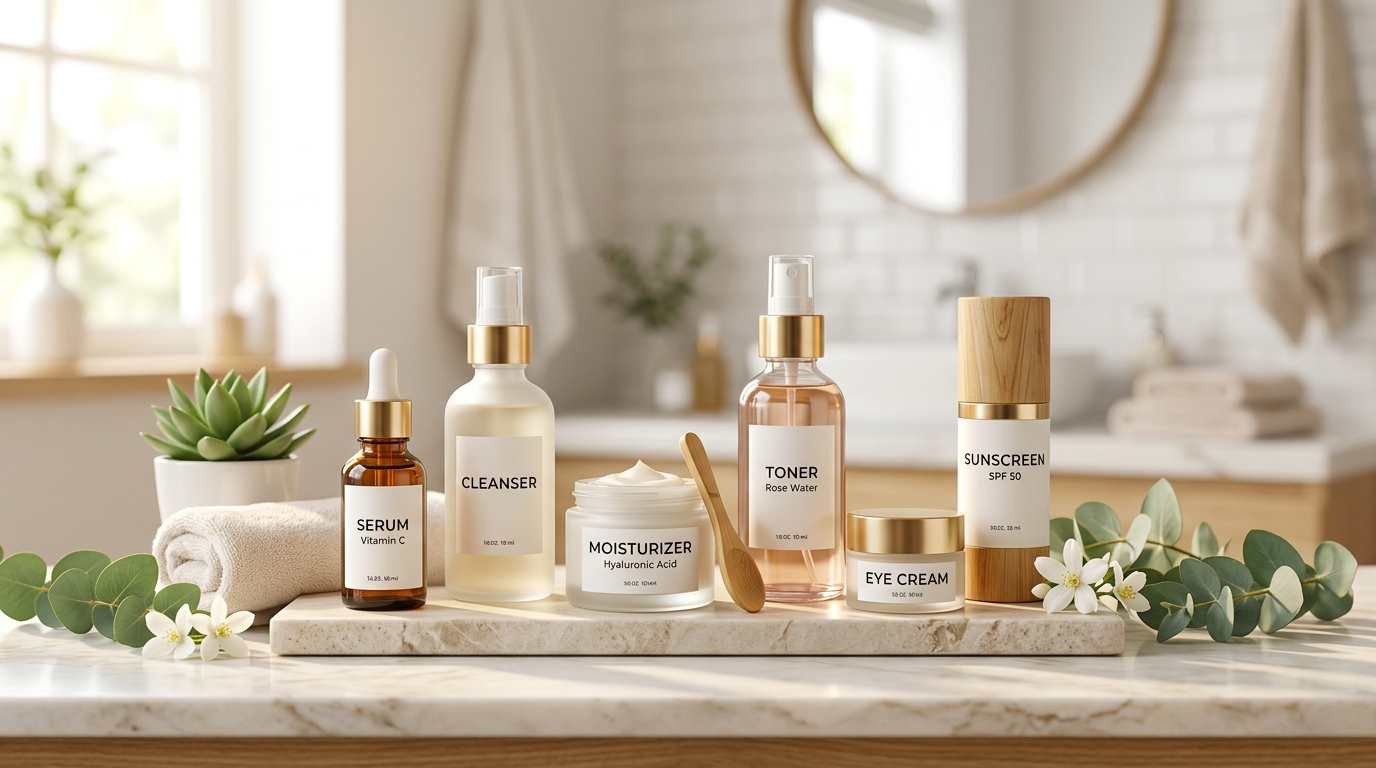
In a world overflowing with skincare products and trends, it’s easy to feel overwhelmed. Shelf after shelf, ad after ad – everyone promises a miracle solution. But here’s a secret: truly effective skincare isn’t about chasing the latest fad; it’s about understanding and responding to the unique needs of your skin. This is where a personalized skincare routine guide becomes invaluable. Forget one-size-fits-all approaches. Your skin is as individual as your fingerprint, and a tailored routine is the cornerstone of achieving a healthy, glowing complexion.
This comprehensive personalized skincare routine guide will walk you through every step, from identifying your unique skin profile to selecting the right products and building a routine that works for you, morning and night. Get ready to embark on a journey towards a happier, healthier you, starting with your skin!
Why a Personalized Skincare Routine Matters
Before diving into the “how,” let’s explore the “why.” Why invest time and effort in creating a truly personalized skincare routine?
- Optimal Results: Products formulated for the wrong skin type or concern can be ineffective at best, and irritating at worst. A personalized approach ensures you’re using ingredients that specifically target your skin’s needs, leading to visible and lasting improvements.
- Preventing Damage: Using harsh ingredients on sensitive skin, or overly rich products on oily skin, can disrupt your skin’s natural barrier, leading to breakouts, dryness, redness, and accelerated aging. A customized routine protects your skin.
- Saving Money: While it might seem counterintuitive, investing in a few targeted products that truly work for you is often more cost-effective than buying numerous products that don’t deliver. A good personalized skincare routine guide helps you make smart choices.
- Boosting Confidence: When your skin looks and feels healthy, it naturally boosts your self-esteem. A consistent, effective personalized skincare routine contributes significantly to this feeling.
- Long-Term Skin Health: Skincare isn’t just about immediate fixes. A well-designed routine helps maintain your skin’s health, resilience, and youthful appearance over time.
The Foundation: Understanding Your Skin Type
The first and most critical step in building your personalized skincare routine guide is accurately identifying your skin type. This isn’t always straightforward, as skin can change with age, hormones, climate, and lifestyle. However, most people fall into one of these primary categories:
Oily Skin
Characteristics: Appears shiny, especially in the T-zone (forehead, nose, chin). Prone to enlarged pores, blackheads, whiteheads, and acne breakouts due to excess sebum production. Makeup may slide off quickly.
Care Focus: Controlling oil without over-drying, preventing clogged pores, and reducing inflammation. Look for non-comedogenic (won’t clog pores) and oil-free formulations.
Dry Skin
Characteristics: Feels tight, rough, flaky, or itchy. May appear dull, with fine lines more noticeable. Pores are often small. Lacks natural oils (sebum), leading to a compromised skin barrier.
Care Focus: Replenishing moisture, repairing the skin barrier, and providing gentle nourishment. Emphasize hydrating and occlusive ingredients.
Combination Skin
Characteristics: A mix of oily and dry/normal areas. Typically, the T-zone is oily (shiny, larger pores, prone to breakouts), while cheeks and other areas are normal or dry.
Care Focus: Balancing different needs. This often requires a more nuanced approach, potentially using different products or techniques for specific facial zones. This is where a personalized skincare routine guide truly shines.
Normal Skin
Characteristics: Well-balanced – neither too oily nor too dry. Smooth texture, few imperfections, minimal sensitivity, and small pores. Feels comfortable throughout the day.
Care Focus: Maintaining balance, hydration, and protection. Focus on prevention and preserving overall skin health.
Sensitive Skin
Characteristics: Prone to redness, itching, burning, stinging, or allergic reactions to products. Can be combined with any other skin type (e.g., oily and sensitive). Often has a weakened skin barrier.
Care Focus: Soothing, calming, reducing inflammation, and strengthening the skin barrier. Avoid common irritants like fragrances, dyes, and harsh chemicals.
Acne-Prone Skin
Characteristics: Frequent breakouts of pimples, blackheads, whiteheads, cysts, or pustules. Can be oily, combination, or even dry. Inflammation is a key concern.
Care Focus: Clearing existing breakouts, preventing new ones, controlling oil, and reducing post-inflammatory hyperpigmentation. Requires specific active ingredients.
Mature Skin
Characteristics: Exhibits signs of aging such as fine lines, wrinkles, loss of elasticity, uneven tone, hyperpigmentation, and dryness. Skin renewal slows down.
Care Focus: Addressing specific signs of aging, boosting collagen production, deep hydration, and sun protection. Many ingredients in a personalized skincare routine guide target these concerns.
How to Determine Your Skin Type: The Bare Face Method
- Wash your face with a gentle cleanser.
- Pat dry and wait for 30-60 minutes without applying any products.
- Observe your skin:
- Shiny all over, tight after washing? Likely oily.
- Tight, flaky, or rough all over? Likely dry.
- Shiny T-zone, dry/normal cheeks? Combination.
- Comfortable, no shine or tightness? Normal.
- Redness, itching, or discomfort with products? Sensitive.
Decoding Your Skin Concerns
Once you understand your fundamental skin type, the next step in crafting your personalized skincare routine guide is to identify specific concerns you want to address. These are issues that might not define your entire skin type but are specific goals you have for your complexion. You might have one or several:
- Acne & Breakouts: Whiteheads, blackheads, cysts, pustules.
- Redness & Rosacea: Persistent facial redness, visible blood vessels.
- Hyperpigmentation: Dark spots, sun spots, post-inflammatory hyperpigmentation (PIH) from acne, melasma.
- Fine Lines & Wrinkles: Signs of aging, loss of elasticity.
- Dehydration: Skin that lacks water, feels tight, looks dull, and shows fine lines more prominently (different from dry skin, which lacks oil).
- Dullness & Lack of Radiance: Skin that appears lifeless, uneven tone, needs exfoliation.
- Enlarged Pores: Often associated with oily skin, but can be a concern for others.
Prioritize your top 1-2 concerns. Trying to tackle too many issues at once can lead to irritation and an overly complex routine.
The Core Steps of Your Personalized Skincare Routine Guide
Regardless of your skin type or concerns, there are fundamental steps that form the backbone of any effective skincare regimen. The personalization comes in the *types* of products you choose for each step.
Step 1: Cleansing (Morning & Evening)
Cleansing removes dirt, oil, makeup, and impurities, preparing your skin for subsequent products.
- Oily/Acne-Prone: Foaming cleansers with salicylic acid or benzoyl peroxide.
- Dry/Sensitive: Creamy, hydrating, non-foaming cleansers.
- Normal/Combination: Gentle gel or cream cleansers.
- Makeup Removal: Consider a double cleanse in the evening (oil-based cleanser first, followed by a water-based cleanser).
Step 2: Toning (Morning & Evening)
Toners balance skin pH, remove residual impurities, and prepare the skin to better absorb serums and moisturizers. Modern toners are not typically harsh and alcohol-based.
- Oily/Acne-Prone: Toners with witch hazel, niacinamide, or AHAs/BHAs (used sparingly).
- Dry/Sensitive: Hydrating toners with hyaluronic acid, glycerin, or rose water.
- All Skin Types: Alcohol-free, balancing toners.
Step 3: Serums & Treatments (Morning & Evening)
This is where the true personalization of your personalized skincare routine guide comes alive! Serums are concentrated formulas designed to deliver powerful active ingredients directly to the skin, targeting specific concerns. Apply to clean, toned skin.
- For Acne/Oil Control:
- Salicylic Acid (BHA): Exfoliates inside pores, good for blackheads and whiteheads.
- Niacinamide (Vitamin B3): Reduces inflammation, minimizes pore appearance, improves skin barrier.
- Benzoyl Peroxide: Kills acne-causing bacteria.
- For Hyperpigmentation/Brightening:
- Vitamin C (Ascorbic Acid): Antioxidant, brightens skin, reduces dark spots, boosts collagen.
- Alpha Arbutin/Kojic Acid: Inhibits melanin production.
- Niacinamide: Also helps with evening skin tone.
- For Anti-Aging/Fine Lines:
- Retinoids (Retinol, Tretinoin): Boost cell turnover, stimulate collagen, reduce wrinkles (start low and slow!).
- Peptides: Signal skin to produce more collagen.
- Antioxidants (Vitamin C, E, Ferulic Acid): Protect against environmental damage.
- For Hydration/Barrier Support:
- Hyaluronic Acid: Attracts and holds moisture in the skin.
- Ceramides: Essential lipids that fortify the skin barrier.
- Squalane/Glycerin: Humectants that draw moisture.
- For Redness/Sensitivity:
- Centella Asiatica (Cica): Soothing and healing properties.
- Niacinamide: Reduces redness and strengthens barrier.
Step 4: Moisturizing (Morning & Evening)
Moisturizers lock in hydration, support the skin barrier, and keep skin soft and supple.
- Oily Skin: Lightweight, gel-based, oil-free, non-comedogenic moisturizers.
- Dry Skin: Richer creams, balms, or lotions with occlusives (shea butter, ceramides) to prevent water loss.
- Combination Skin: Hydrating gels or lotions; adjust richness for different areas if needed.
- Sensitive Skin: Fragrance-free, hypoallergenic formulas with soothing ingredients.
Step 5: Sun Protection (Morning Only)
This is non-negotiable for ANY personalized skincare routine guide, regardless of skin type or concerns. UV radiation is the primary cause of premature aging, dark spots, and skin cancer.
- Choose: A broad-spectrum SPF 30+ sunscreen.
- Formulation: Gel, cream, or fluid depending on your skin type and preference. Many tinted sunscreens also offer cosmetic benefits.
Additional Steps (As Needed)
- Exfoliation (1-3 times/week):
- Chemical Exfoliants (AHAs/BHAs): Glycolic acid, lactic acid (AHAs for surface exfoliation, brightening), salicylic acid (BHA for pore clearing).
- Physical Exfoliants: Gentle scrubs (avoid harsh, abrasive ones).
- Face Masks (1-2 times/week):
- Clay Masks: Good for oily/acne-prone skin to absorb excess oil.
- Sheet Masks/Hydrating Masks: For dry/dehydrated skin.
- Brightening Masks: With ingredients like Vitamin C.
Building Your Routine: Day vs. Night
Your skin has different needs throughout the day. A robust personalized skincare routine guide will include both a morning and an evening regimen.
Morning Routine Example (Focus: Protection & Prevention)
- Cleanse: Gentle cleanser (especially if you cleansed thoroughly the night before).
- Tone: Hydrating or balancing toner.
- Serum(s): Antioxidant serum (e.g., Vitamin C) to protect against environmental aggressors.
- Moisturize: Lightweight moisturizer.
- Sunscreen: ALWAYS apply broad-spectrum SPF 30+.
Evening Routine Example (Focus: Repair & Regeneration)
- Double Cleanse: (If wearing makeup/heavy SPF) Oil-based cleanser, then water-based cleanser.
- Tone: Hydrating or treatment toner (e.g., with mild AHA).
- Serum(s): Treatment serums like retinoids (if tolerated), hyaluronic acid, or serums targeting specific concerns (e.g., hyperpigmentation).
- Moisturize: Richer moisturizer to support overnight repair.
- Eye Cream (Optional): If you have specific concerns around the eyes.
Essential Tips for Your Personalized Skincare Journey
Creating your personalized skincare routine guide is just the beginning. Here are some vital tips for sustained success:
- Patience is Key: Skincare results aren’t instant. Give new products at least 4-6 weeks to show efficacy.
- Patch Test New Products: Always test a new product on a small, inconspicuous area (like behind your ear or on your inner arm) for a few days to check for reactions before applying to your entire face.
- Consistency is Crucial: The best routine is the one you stick to. Consistency in application is far more important than using dozens of products sporadically.
- Introduce Actives Slowly: Especially with potent ingredients like retinoids or strong acids, start with a low concentration and apply a few times a week, gradually increasing frequency as your skin tolerates it.
- Listen to Your Skin: Your skin’s needs can change. If you notice dryness, irritation, or new breakouts, reassess your routine. Sometimes less is more.
- Lifestyle Matters: Diet, hydration, sleep, and stress levels all impact your skin. A holistic approach is always best.
- Consider Professional Guidance: If you’re struggling to identify your skin type, concerns, or achieve your goals, a dermatologist or licensed esthetician can provide tailored advice and treatments.
Conclusion
Building your personalized skincare routine guide might seem like a complex endeavor initially, but by systematically understanding your skin type, identifying your primary concerns, and selecting appropriate products for each step, you’re setting yourself up for success. Remember, skincare is a journey, not a destination. It requires patience, consistency, and a willingness to adapt as your skin evolves. Embrace the process of learning what truly works for you, and enjoy the confidence that comes with a healthy, radiant complexion. Your unique skin deserves a routine as unique as you are!
Frequently Asked Questions
Q1: How do I know if a product is working or irritating my skin?
A1: Good signs a product is working include improved texture, reduced breakouts, increased hydration, or fading dark spots. Signs of irritation include redness, stinging, burning, increased breakouts in unusual areas, excessive dryness, or itchiness. If you suspect irritation, stop using the product and consult your personalized skincare routine guide for alternatives.
Q2: Can I use multiple serums in my personalized skincare routine?
A2: Yes, you can, but it’s important to layer them correctly and not overload your skin. Apply thinner, water-based serums first, followed by thicker or oil-based ones. A common rule is to apply from thinnest to thickest consistency. Stick to 2-3 targeted serums per routine to avoid overwhelming your skin and ensure efficacy, making it a truly personalized skincare routine guide.
Q3: What’s the difference between dry skin and dehydrated skin?
A3: Dry skin lacks oil (lipids) and is a skin type, often feeling tight, flaky, or rough. Dehydrated skin lacks water and is a skin condition that can affect any skin type (oily, dry, normal). Dehydrated skin often looks dull, feels tight, and fine lines can be more prominent. Dry skin needs oil-rich moisturizers, while dehydrated skin benefits from humectants like hyaluronic acid and adequate water intake, essential for any personalized skincare routine guide.
Q4: How often should I exfoliate, and what type is best for my personalized skincare routine?
A4: Most people benefit from exfoliating 1-3 times a week, but this varies. Oily and acne-prone skin might tolerate more frequent chemical exfoliation (like AHAs/BHAs), while sensitive or dry skin needs less frequent, gentler options (e.g., lactic acid or enzyme exfoliants). Always listen to your skin and avoid over-exfoliation, which can damage your skin barrier, a crucial aspect of your personalized skincare routine guide.
Q5: Is it okay to use skincare products from different brands in my personalized skincare routine?
A5: Absolutely! You don’t need to stick to one brand. In fact, mixing and matching allows you to choose the best product for each step of your personalized skincare routine, optimizing for ingredients, formulation, and your skin’s unique needs. Just ensure the active ingredients you’re combining don’t conflict or cause excessive irritation.
