What is VPS Hosting Used For?
With the rapid growth of online businesses and the increasing demand for better performance and security, VPS hosting has become an essential solution. In the 2026 market, choosing the right hosting can significantly impact your website’s performance and security. Virtual Private Server (VPS) hosting offers businesses the perfect balance between performance, cost, and control, making it a popular choice for those looking to scale up without breaking the bank.
According to recent reports, the global VPS hosting market is set to reach USD 5.20 billion by 2026, growing at a CAGR of 15.7%. This fast growth highlights the increasing reliance on VPS hosting as businesses require more reliable and customizable hosting solutions.
What is VPS Hosting?
VPS hosting stands for Virtual Private Server. It’s a type of web hosting that allows a physical server to be divided into several virtual servers using special software called virtualization. Each virtual server has its own dedicated resources like CPU, RAM, and storage, giving you better performance and control compared to shared hosting.
Unlike shared hosting, where multiple websites share the same server resources, a VPS gives you isolated resources and root access, which means you have full control over the server settings, operating system, and software. This makes VPS hosting a great middle ground between shared hosting (cheaper but with limited resources) and dedicated hosting (expensive but offering full control).
How VPS Hosting Works
VPS hosting uses virtualization technology to create separate virtual environments on a single physical server. A hypervisor (the virtualization software) divides the server’s resources into isolated virtual servers. Each VPS operates independently, meaning you get your own allocated resources, such as CPU power, memory, and storage, without interference from other websites on the same physical server.
Here’s how it works:
- A physical server runs multiple VPS instances, each with guaranteed resources.
- The virtualization layer makes sure that your VPS has full control over its resources.
- Each VPS can run its own OS, install custom software, and handle its own traffic, keeping performance stable even if other sites on the server experience heavy traffic.
- This isolation shows your website won’t be slowed down by other users, a major advantage over shared hosting.
Types of VPS Hosting
There are two main types of VPS hosting, each offering different levels of management and control. Depending on your needs, you can choose either a managed or unmanaged VPS. However, not all providers offer both options.
1. Managed VPS Hosting
In this setup, the hosting provider handles server management, including security updates, backups, and maintenance. Managed VPS hosting is ideal if you want to focus on your website without worrying about the technical aspects.
2. Unmanaged VPS Hosting
Here, you have full control over the server. While this gives you more flexibility, it also means you’ll need to handle server maintenance, security, and updates on your own. This is suited for businesses with technical expertise.
Shared, VPS, or Dedicated: Which Hosting Type Fits Your Website?
Here’s a simple comparison of hosting types to help you choose the right one for your website:
| Hosting Type | Best For | Resources | Cost Level | Control Level | Performance |
| Shared | Small blogs, new sites, low traffic | Shared with others | Low | Limited | Can slow down during traffic increase |
| VPS | Growing businesses, e-commerce, apps | Dedicated allocation | Medium | High (root access) | Consistent and scalable |
| Dedicated | Large sites, high traffic, sensitive data | Full server | High | Full | Maximum |
Benefits of VPS Hosting
With a rapidly growing internet population and more local businesses moving online, VPS hosting offers several key advantages:
- Better Performance: VPS hosting ensures faster load times and smoother user experiences, important for businesses targeting local customers.
- Scalability: As your business grows, VPS allows you to easily upgrade resources like RAM and CPU without switching to a more expensive solution.
- Stronger Security: VPS provides isolated environments, reducing the risk of security breaches and giving you more control over your site’s security.
- Affordable Flexibility: VPS hosting offers a balance between performance and cost, making it an excellent choice for small and medium-sized businesses.
- Reliable Uptime: With dedicated resources and a stable environment, VPS makes sure your site is always online and performing well, even during busy times.
- Local Support: Many local hosting providers offer VPS hosting with local support, offering quick resolutions for any issues.
VPS Hosting Use Cases
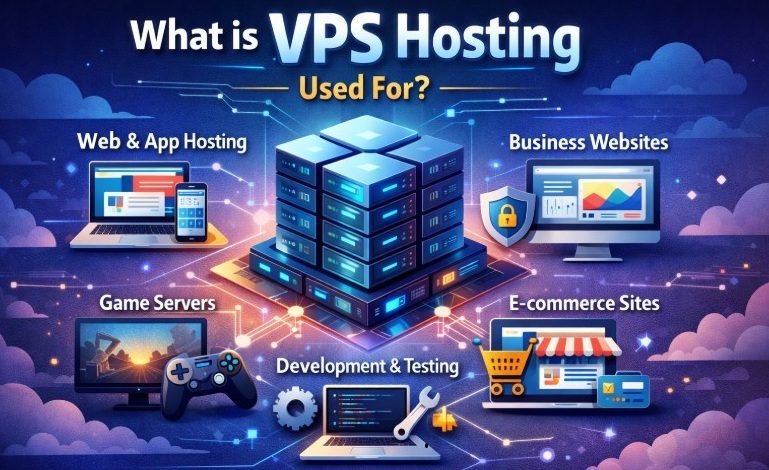
VPS hosting can serve the needs of a wide range of businesses, from small startups to large enterprises. Here are some common use cases:
- Running e-commerce stores that need secure payments and handle order bundles.
- Hosting multiple websites or client projects, like for agencies or freelancers.
- Developing and testing apps in a controlled space.
- Setting up game servers or streaming services.
- Managing databases or custom software that shared hosting can’t support.
- Email servers or VPNs need stable resources.
Misconceptions About VPS Hosting
VPS hosting is an excellent choice for businesses, but some common misconceptions might prevent people from making the switch. Here are the most common myths:
- VPS is too expensive: It’s more affordable than dedicated hosting and offers better value.
- VPS is hard to manage: Managed VPS plans handle the technical side for you.
- VPS is just like shared hosting: Unlike shared hosting, VPS offers dedicated resources.
- VPS is only for large businesses: VPS is ideal for small to medium-sized businesses.
- All VPS hosting is unmanaged: Many providers offer managed VPS hosting for convenience.
Conclusion
VPS hosting is an excellent option for businesses that need more control, better performance, and scalability without the cost of a dedicated server. Whether you’re running an e-commerce store, managing a growing blog, or developing custom applications, VPS hosting provider can offer the flexibility and security your business needs to succeed.
FAQs for VPS Hosting Uses
What is VPS hosting used for?
VPS hosting provides dedicated resources, better performance, and security, making it ideal for growing businesses, e-commerce sites, and custom applications.
Is VPS hosting better than shared hosting?
VPS offers better performance and security than shared hosting. It provides isolated resources, preventing slowdowns caused by other sites on the same server.
Who should use VPS hosting?
VPS hosting is perfect for businesses, developers, and growing websites needing more control, security, and scalability than shared hosting offers.
Is VPS hosting scalable?
Yes, VPS hosting is highly scalable. You can easily upgrade resources like CPU, RAM, and storage to meet your growing website’s traffic and performance needs.
How much does VPS hosting cost?
VPS hosting costs vary based on resources and provider. Generally, it’s more affordable than dedicated hosting, offering good value for businesses needing scalability.