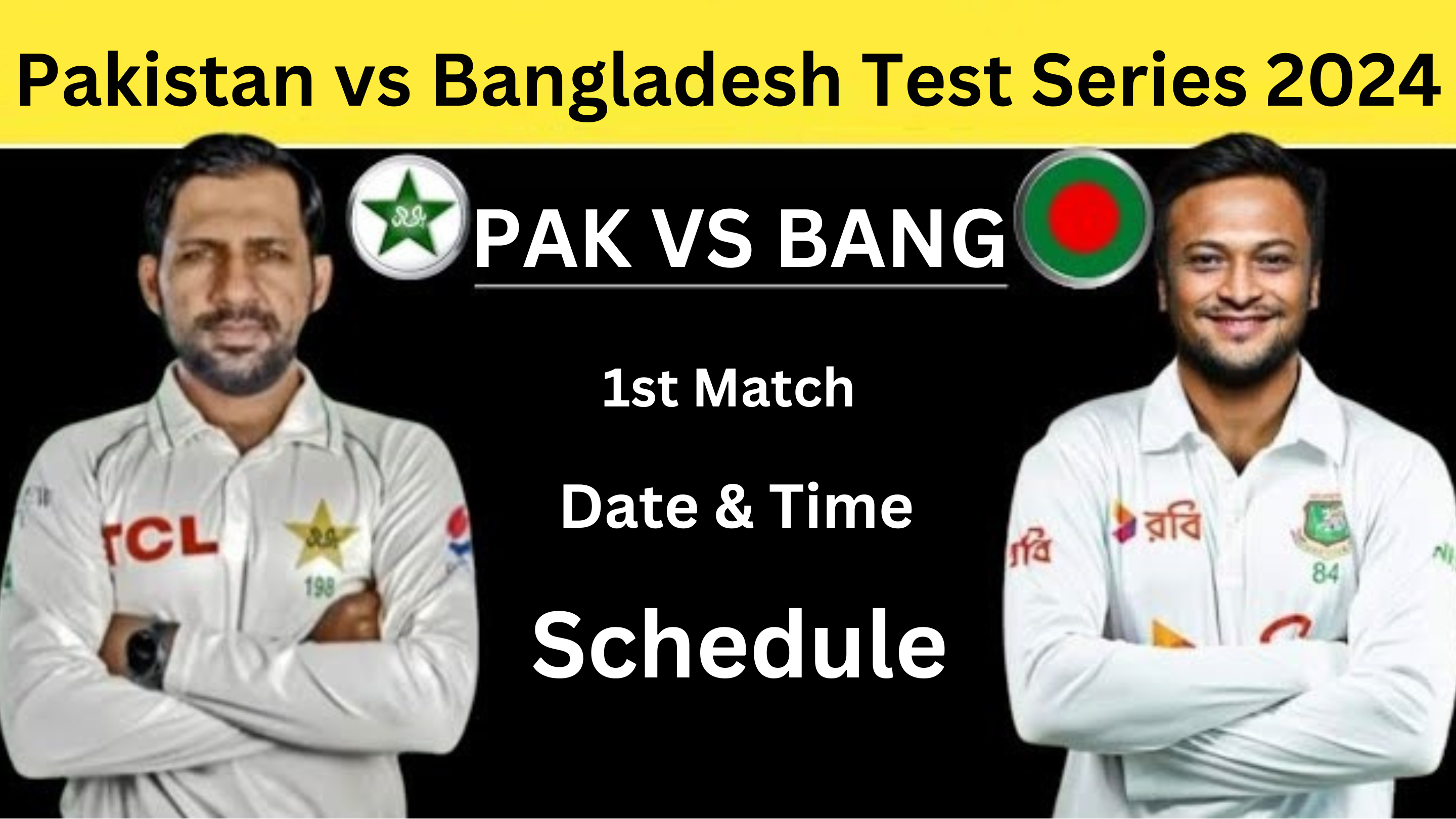
Pakistan vs Bangladesh Test Series 2024

Pakistan vs Bangladesh Test Series 2024: In-Depth Analysis, Schedule, and Expectations

The Pakistan vs Bangladesh Test collection is a notably expected occasion in the cricketing calendar. The South Asian worldwide locations have superior a fierce competition, specifically in contemporary years, with Bangladesh’s cricketing resurgence and Pakistan’s continued energy in international cricket.

The upcoming Test series, scheduled to be part of the ICC Future Tours Programme, will play a big role inside the World Test Championship standings, including even greater significance to the clashes.

 Schedule and Venues of Pakistan vs Bangladesh Test

As of now, the precise dates for the Pakistan vs Bangladesh Test series are yet to be officially confirmed, however it’s miles anticipated to take the region in past due 2024. The collection will maximum probable include two to three Test matches, following the culture of bilateral series between these two international locations.

  • Tentative Dates : The collection is expected to be held in November to December 2024. Traditionally, the iciness months are preferred for Test matches inside the subcontinent due to the favorable climate situations.
  • Venues: The fits are likely to be held across Bangladesh, with main cricketing facilities consisting of:
  1. Sher-e-Bangla National Stadium, Dhaka: The coronary heart of Bangladesh cricket, this stadium is thought for its passionate crowds and spin-best pitches. It has hosted severe iconic matches over the years and is expected to be the main venue for the collection.
  2. Zahur Ahmed Chowdhury Stadium, Cartogram: Known for its picturesque setting and a pitch that frequently offers a piece greater soar and pace than Dhaka, Cartogram offers range in terms of gambling conditions.
  3. Sylhet International Cricket Stadium: Though distinctly new to the Test area, Sylhet gives Bangladesh an additional venue alternative with lush environment and present day centers. The pitch tends to be slower and aids spinners.

Bangladesh’s home advantage, mainly with its spin-pleasant pitches, will make the series an interesting contest between Pakistan’s rapid bowling electricity and Bangladesh’s spin bowling acumen.

Pakistan vs Bangladesh Team Dynamics and Key Players

Both Pakistan and Bangladesh will come into this collection with factors to show. Both teams have wonderful styles of gambling, and their achievement regularly hinges on how properly they could adapt to the gambling conditions and strategize towards each other’s strengths.

 Pakistan Team Players

Pakistan is thought for its ambitious bowling assault, combining lethal tempo with wily spin. Additionally, the crew has a mix of experienced gamers and younger skills, making it a properly-rounded side.

  • Babar Azam: As the captain and Pakistan’s optimum batsman, Babar can be essential in anchoring the innings and making sure that Pakistan’s batting does no longer crumble in opposition to Bangladesh’s spin attack.
  • Shaheen Shah Afridi: One of the fine fast bowlers within the world, Shaheen capability to swing the ball both approaches, coupled along with his tempo and jump, will make him a key discern, especially on pitches that offer some help to seamers. His opposite swing may also be a crucial weapon in the dry conditions of Bangladesh.
  • Abdullah Shafique: The young opening batsman has proven tremendous capability and can be tasked with providing stability begins to Pakistan’s innings, especially in opposition to the brand new ball.
  • Naseem Shah: As some other fiery young speedy bowler, Naseem pace and aggression will supplement Shaheen Afridi, and his capacity to generate reverse swing within the latter levels of the innings can be pivotal.
  • Abrar Ahmed: Pakistan’s spin department may be led through the likes of Abrar Ahmed, who has been pretty powerful within the subcontinent with his sharp variations. Pakistan’s method will revolve round balancing their seam and spin options.
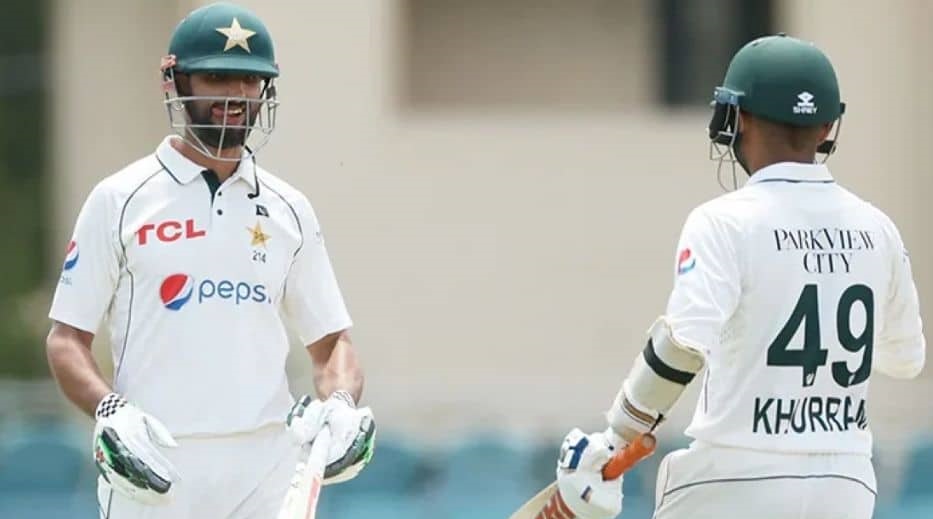
PAK VS BANG

 Bangladesh Team Players

Playing at home, Bangladesh can be eager to capitalize on conditions that typically desire their strengths – spin bowling and resilient batting. Over the years, they have turned out to be more competitive in Test cricket, in particular on home soil.

  • Shakib Al Hasan : Arguably Bangladesh’s finest cricketer, Shakib will lead both the batting and bowling departments. His left-arm spin is possibly to be a main hazard to Pakistan’s center order, while his aggressive yet managed batting could be the key to Bangladesh’s chances.
  • Tamim Iqbal: The establishing veteran batsman is important in offering Bangladesh with accurate starts. His experience and ability to play pace and spin effectively may be crucial towards Pakistan’s strong bowling assault.
  • Mehidy Hasan Mirza: An effective all-rounder, Mehidy Hasan may be an important factor in Bangladesh’s spin attack. His accuracy and capability to extract switch on Bangladeshi pitches make him a consistent hazard to touring teams.
  • Taskin Ahmed: While Bangladesh is thought for its spin, Taskin pace will add a further size to their bowling assault. His improvement over the years, specifically in maintaining pace and consistency, could offer Bangladesh and part if the pitches provide some help to rapid bowlers.
  • Litton Das: Bangladesh’s wicketkeeper-batsman has emerged as a dependent center-order player who can cope with pressure situations. His capability to shift gears will be critical in making sure that Bangladesh can build on exact starts or recover from setbacks.

PAK vs Bang: A Historical Overview

When it involves Test cricket, Pakistan has dominated Bangladesh historically. Since Bangladesh’s elevation to Test reputation in 2000, Pakistan has consistently been a difficult opponent for them.

  • Total Test Matches Played: thirteen (as of 2023)
  • Pakistan Wins: 12
  • Bangladesh Wins: 0
  • Draws: 1

Despite this, Bangladesh has grown as a cricketing kingdom, in particular in home conditions, where they have got overwhelmed by top aspects like England and Australia. Their progressed performances over time will make the imminent series a charming contest, as Bangladesh seeks to project Pakistan’s dominance inside the format.

PAK vs Bang : Key Factors and Series Dynamics

Pitch Conditions

The pitches in Bangladesh are acknowledged to be slow and prefer spin bowlers. In Dhaka and Cartogram, the ball is anticipated to turn sharply from day 3 onward, which can positioned Pakistan’s batsmen below full-size strain. Pakistan will want to rely upon their spinners to counter Bangladesh’s approach, while their batsmen will should negotiate long spells of spin bowling.

Weather Conditions

The series, probably scheduled for late November and December, will take area in the course of the cooler months in Bangladesh, decreasing the chance of rain interruptions however probably bringing a few dew into play during the morning and nighttime sessions.

 Spin vs. Pace

Bangladesh will recognize heavily on their spin attack, with Shakib Al Hasan, Mehidy Hasan Mirza, and Taijul Islam leading the price. Pakistan, then again, will rely more on their rapid bowlers while supplementing their attack with spin options like Abrar Ahmed. The contrast between these bowling strategies can be key to the collection’ final results.

 Pressure and Points

As a part of the World Test Championship, each groups might be combating for critical points. For Pakistan, victories will assist them preserve a strong position in the WTC ratings, while Bangladesh may be seeking to improve their standing and preserve their improvement as a competitive Test side.

PAK vs Bang: Expectations from the Series

The Pakistan vs Bangladesh Test series guarantees to be a fascinating clash of styles. Pakistan’s tempo and batting intensity may be tested with the aid of Bangladesh’s disciplined spin assault. The collection can also hinge on how nicely Pakistan’s batsmen can manage spin and the way effectively Bangladesh can counter Pakistan’s rapid bowlers.

Fans can count on near-fought contests, as Bangladesh, with their growing confidence within the Test area, will aim to disappoint Pakistan, while Pakistan will be looking to assert their dominance and secure crucial World Test Championship points.

As we watch for the official statement of the time table, cricket fans round the arena will be eagerly looking ahead to the drama, exhilaration, and ability that the Pakistan vs Bangladesh Test collection is sure to offer.

PAK vs Bang : Test match schedule

21-25 August, 2024: 1st match today, in Rawalpindi

30 August – 3 September 2024: 2nd match Friday, in Rawalpindi
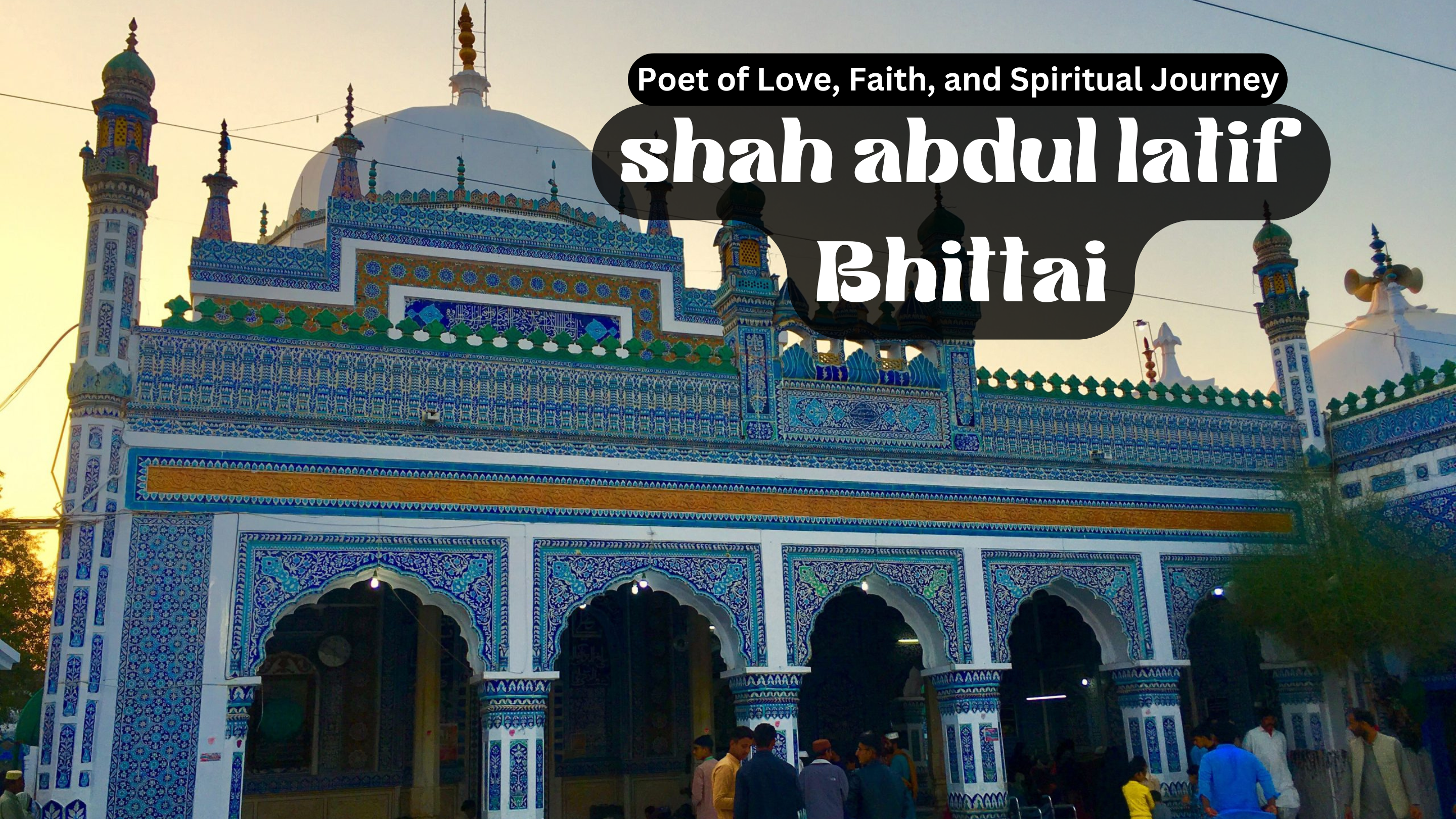
Poet of Love & Faith – Shah Abdul Latif Bhittai Spiritual Journey

Introduction of Shah Abdul Latif Bhittai

Hazrat Shah Abdul Latif Bhittai (1689-1752) is one of the most respected Sufi poets and saints in Sindh, Pakistan’s history. His work has made him a venerated figure across the subcontinent because it is deeply rooted in love for God, human beings, and nature. His poetry incorporates spiritualism, mysticism, and the rich cultural heritage of Sindh.

The article goes on to discuss the life, education, historical background, and profound impact Hazrat Shah Abdul Latif Bhittai work had.

Early Life

Shah Abdul Latif was born in 1689 in Hala Haveli, a small village located near Bhit Shah town in Sindh province (now part of Pakistan). He came from an intensely spiritual Muslim family. In his formative years, he was influenced by his father Shah Habib who was well-versed with religion.

At that time he was still a child, but his deep religious inclination was already evident. He would often be found meditating or contemplating divine mysteries while seated next to lakes, mountainsides, or deserts. This attachment to nature and loneliness would later dominate his poetry.

Education

Abdul Shah Latif Bhittai education commenced from home. His father, who was well-versed in the Quran and Islamic traditions, gave him a religious education at an early age. He was interested in knowledge acquisition and wanted to be educated all the time. He not only studied religion but also became fluent in many languages including Sindhi, Arabic, and Persian.

He has demonstrated the high influence of previous Sufi poets including Rumi Maulana and Hazrat Shahbaz Qalandar. His love for knowledge led him to travel all over Sindh and its neighborhoods where he met scholars, Sufis, and saints. These travels further enriched his understanding of spirituality and mysticism which provided the basis for his poetry.

Historical Background of Shah Abdul Latif Bhittai

Hazrat Shah Abdul Latif Bhittai lived in an era where there were enormous socio-political changes taking place in the subcontinent. The Mughals who used to be a power to reckon with declined and various regional powers came up. Sindh itself was a land of mixed cultures and traditions ranging from Hinduism, and Buddhism to Islam. This presence of Sufism was a strong bridge between different communities and faiths.

In Shah Abdul Latif’s time, Sindh was under the rule of the Kalhora Dynasty which was a period of relative peace and prosperity marred by conflicts such as those with outside forces like the Mughals among other local feuds. This is when his message on love, unity, and spiritual awakening resonated with people deeply during this time. His poems provided healing and guidance for followers who wanted to rise above their worldly problems and find more meaningful connections with the godhead.

Hazrat Shah Abdul Latif Bhittai in His Works

Among the many works of Hazrat Shah Abdul Latif Bhittai, his greatest achievement is his poetry which is collected in his masterpiece called the Shah Jo Risalo (The Message of Shah). It consists of various verses that explore love, divine oneness, spirituality, and struggles of life. The poem is uncomplicated yet insightful as it employs allegorical fables and folklore to depict deep spiritual truths.

Often, Latif’s work is classified into Surs corresponding to particular Ragas. In this collection for instance there are 30 Surs each illustrating a unique setting or theme. Some of the famous ones include.

  1. Sur Marvi: The story of Marvi, a young Sindhi girl, who represents patriotism, love for one’s land, and resistance against oppression. The idea of yearning for the beloved is expressed in this poem by Latif and it symbolizes the soul’s longing for God.
  2. Sur Sohni: This tale is about Sohni, a young woman who risks her life for the sake of love by crossing a river every night to meet her lover. In Shah Latif’s poetry, devotion to Sohni stands as an emblematic representation of inner truth seekers journeying through all adversities toward ultimate knowledge.
  3. Sur Sasui: The story revolves around Sasui’s tireless search for her beloved Punhoon. For Latif, this quest is a metaphorical representation of the pursuit of God. Sasui hardships and determination are symbolic of the spiritual path where patience and perseverance are virtues that must be upheld.
  4. Sur Kalyan: This Sur deals with themes of joy and celebration often evoking images from nature and divine intervention/illegible/. It reveals Shah Latif’s belief in the beauty of creation and the ecstasy that accompanies spiritual awakening.

Hazrat Shah Abdul Latif Bhatti’s poetry is deeply rooted in the Sufi tradition, which emphasizes the internal journey towards God, love as the highest form of worship, and the unity of all existence. Most of his verses are a blend of Islamic teachings and local Sindhi folklore that makes them easily understandable by ordinary people.

Musical Tradition

Music was a vital part of Hazrat Shah Abdul Latif Bhattrai’s expression. He not only wrote poetry to be sung but also played the tambura, a stringed musical instrument, to accompany his recitations. His compositions were meant to be performed in specific ragas that corresponded to the different Surs of his poetry.

Even today, the traditional music of Sindh revolves around the recitation of Shah Latif’s verses, often performed by folk musicians known as faqirs. These performances are an essential part of Sindhi culture, particularly during the annual Urs at Shah Latif’s shrine in Bhit Shah, where devotees gather to honor his memory and celebrate his spiritual legacy.

Philosophy and Sufi Thought

Hazrat Shah Abdul Latif Bhittai philosophy was deeply influenced by the tenets of Sufism, which emphasizes the personal experience of the divine, love as the central path to God, and the purification of the soul through self-discipline and service. Latif’s poetry reflects these principles, with a focus on the internal spiritual journey rather than outward religious formalities.

He rejected materialism and worldly ambitions, preferring a life of simplicity and devotion. His work encourages readers to look beyond the external world and seek spiritual truths through self-awareness, love, and meditation on the divine.

The Shrine of Hazrat Shah Abdul Latif Bhittai

shah abdul latif shrine

Hazrat Shah Abdul Latif Bhittai passed away in 1752 in Bhit Shah, where he spent the later part of his life. His shrine, located in Bhit Shah, Sindh, has become a significant pilgrimage site for people from all over Pakistan and beyond. The shrine is an architectural marvel, with its intricate tile work, domes, and calligraphy. It serves not only as a resting place for the poet-saint but also as a center of Sufi culture and spirituality.

The annual Urs celebration attracts thousands of devotees who gather to commemorate his life and teachings. During the Urs, recitations of his poetry and traditional Sindhi music performances take place, creating an atmosphere of devotion, joy, and spiritual reflection.

Spiritual Legacy and Influence

In addition to his poetry Hazrat Hazrat Shah Abdul Latif Bhittai left behind a lasting influence. He is considered a Sufi Saint whose thoughts have had a deep impact on spiritual as well as cultural life in Sindh. The shrine of Shah Latif is situated at Bhit Shah, Sindh province; it is visited by many people from different social backgrounds for pilgrimage. Every year there is a Urs festival which involves reciting his poetry and playing traditional Sindhi music among other activities.

Shah Latif’s message of love, tolerance, and spiritual devotion has transcended religious and cultural boundaries. He symbolizes not just Sindhi identity but also peace and reconciliation across divides. His works have been translated into several languages with successive generations being inspired by them all the time.

[1] Shah Latif never sought popularity or recognition all his life. [2] He was a humble person whose devotion to spiritual matters was evident in his lifestyle. [3] The poet spurned the royal courts and avoided politics, opting instead for the poor and marginalized. [4] Hazrat Hazrat Shah Abdul Latif Bhittai humility and adherence to the truth made him a venerated soul in Sindh.

Conclusion

Shah’s work is an illustration of spirituality, love, and dedication to God. His poetry combines Sufi thought with Sindhi culture. Through poetic verses, timeless messages of love, unity as well as pursuit of the divine truth are conveyed Shah Latif. His memory still lives on amongst them those who are inquisitive about comprehending better their journey towards eternity

Celebrating Pakistan Independence Day 14th August

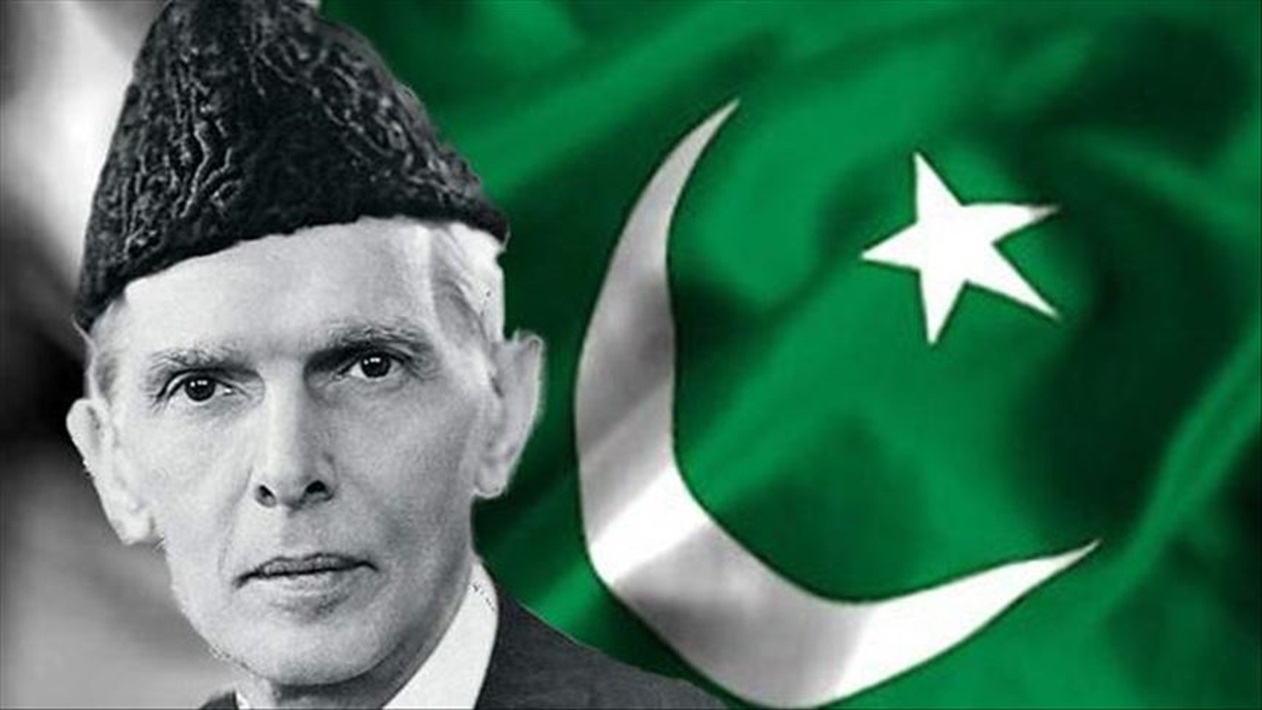
Pakistanis throughout the globe unite annually on the 14th of August to commemorate Pakistan Independence Day. This day represents Pakistan’s origination as a self-governing country in 1947 following a vigorous struggle under the stewardship of Muhammad Ali Jinnah, among other notable leaders.

The formation of Pakistan was changed South Asia’s political map and provided millions of Muslims with a wonderful place where they could freely live their lives based on their religion and culture.

Historical Significance of Pakistan Independence Day

The history of Pakistan’s fight for independence is deeply connected to the wider struggle for freedom from British colonialism in India. After years of political talks, popular protests, and the intense desire for a separate Islamic state; Britain eventually gave in to demands for Indian partition. Pakistan was born on the 14th of August, 1947, as a nation that had two parts; West Pakistan (now Pakistan) and East Pakistan (now Bangladesh).

Pakistan’s creation was not only a political ascendancy but it also involved an accomplishment in social and cultural aspects. It marked the fulfillment of the aspirations of multitudes who were yearning for a place in which Muslims would enjoy their value systems, norms, and laws. The partition period led to one of the most significant migrations ever witnessed globally and is highly regarded with reverence.

National Celebrations of Pakistan

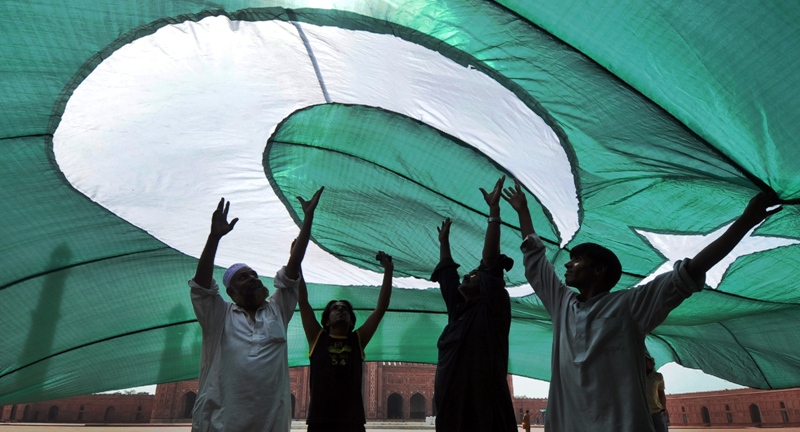
Pakistan Independence Day is observed through various celebrations that display the nation’s pride and love of the country. The day begins with special prayers for the progress, peace, and prosperity of the country. This is followed by hoisting the national flag on all government buildings, private institutions, and houses showing that Pakistanis are united and resilient.

The official celebration starts with a grand flag-hoisting ceremony at the Presidential Palace in Islamabad, where it is attended by several people including many leading personalities like the President and Prime Minister. It is usually done after this event which includes the singing of a national anthem, speeches as well a parade by its soldiers, who showcase its military power and cultural diversity.

All over the country throughout the day several activities take place such as cultural shows, exhibitions, sports competitions, or music concerts. The night sky turns into a magical spectacle with fireworks lighting up streets and buildings covered in lights creating a festive mood. Schools and colleges have special events where students present patriotic songs, dances, and dramas about independence struggles emphasizing unity plus nation-building.

National Celebrations of Pakistan

Reflection and Resolve

Though the Day of Independence is a time of jubilation, it also requires a bit of reflection. This reminds Pakistanis about the many struggles that their country has gone through since its inception as well as ongoing efforts in building a stronger and more prosperous nation. From economic trials in its early days to political instability challenges, Pakistan has come far. However, the journey towards advancement and progress goes on.

On this day, they pledge once again to the principles laid down by the Father of their Nation. They recall the significance of Unity, Faith & Discipline which were guiding principles for Mohammad Ali Jinnah (Father of the Nation). The day also signifies appreciation for all Pakistani citizens who are relentlessly working in varied fields contributing to national growth and development.

Global Celebrations

Pakistan Independence Day is not just celebrated within its borders. It is also observed with a lot of excitement in Pakistani communities all over the globe. In London, New York, Dubai, and Toronto among others where there are large populations of Pakistanis, they organize independence day functions which bring together expatriates who celebrate their heritage. These events usually entail cultural performances, flag hoisting ceremonies, and speeches which foster a sense of community and national pride among overseas Pakistanis.

Looking to the Future

There is a united hope and will to overcome the difficulties ahead as Pakistan celebrates its years of independence. The nation still seeks economic stability, social justice, and regional peace. The youthful members make up much of the population of Pakistan hence they significantly influence its future. For that reason, their energy, creativity, and ability to bounce back from setbacks are the main drivers for Pakistan’s yearnings for progress and prosperity.

Lastly 14th August is more than just another day for Pakistanis. It is a day of pride, joy, assessment, remembrance, hope and possibilities. Every time this flag flies in the air with green representing Muslims while white Christians living in this country are included reminds us again about the spirit that has kept us moving on despite all the odds against us carried by it. Happy Independence Day Pakistan

pakistan independence day

Common Questions on Pakistan Independence Day

  1. What is Pakistan’s Independence Day?

Pakistan commemorates its national freedom on the fourteenth of August. Pakistan became a sovereign state and gained independence from British colonial rule on this day in 1947.

  1. Why is Pakistan Independence Day celebrated on August 14th?

August, 14th has been selected as this was the day when Pakistan declared itself to be an independent nation after the end of British colonialism in the Indian subcontinent.

  1. Which important events led to the independence of Pakistan?

Muslims’ long struggle against British India led by the All India Muslim League led by Muhammad Ali Jinnah resulted in this. The Two-Nation theory that Muslims and Hindus were different nations that required separate homelands was the basis for Muslim demand for a separate nation.

  1. Who was responsible for independence in Pakistan?

Muhammad Ali Jinnah famously known as “Father of Nation,” founded the state of Pakistan, and played a key role in its creation. His vision and leadership contributed to the formation of today`s modern-day country Pakistan.

  1. What does the word ‘significance’ mean in context with THE PAKISTAN RESOLUTION?

The Lahore Resolution also known as the Pakistani Resolution passed on March 23rd, 1940 is a political statement calling for the creation of autonomous regions within northwestern and eastern zones in India. Its provisions lay down a platform upon which an independent Pakistani state can be built upon.

  1. How do they commemorate Pakistanis` independence?

Pakistan celebrates its Independence Day with great fervor all over the country. It starts with flag-hoisting ceremonies at government offices, schools, and public places like parks, etc. Parades are commonplace; people also use fireworks while speeches are being made. People used flags to decorate their homes, surrounded by lights while anthems could be heard being sung everywhere during the whole day.

  1. What does it denote whenever you see the national flag of Pakistan?

The greenish color on the national flag of Pakistan is meant to show that it is a Muslim-majority country whereas the white stripe represents other religious communities. The moon and star on the flag are traditional symbols associated with Islam which reflect Pakistan’s Islamic character.

  1. What were the problems faced by Pakistan after becoming independent?

After independence, Pakistan had to face some difficult challenges such as the distribution of assets between India and Pakistan, mass migration of people from one place to another, violence among communities, and the establishment of a new government and infrastructure for the nation.

  1. How did Pakistan’s boundaries start being demarcated?

Pakistan`s borders were drawn by the Radcliffe Line named after Sir Cyril Radcliffe who was mandated to set out borderlines between India and Pakistan. Demarcation was done depending on religious affiliations hence giving birth to West Pakistan (now known as Pakistan) and East Bengal (currently Bangladesh).

  1. Why is Quaid-e-Azam Muhammad Ali Jinnah referred to as the Father of the Nation?

Mohammad Ali Jinnah is called the ‘Father of Nation’ because he played an instrumental role in the creation of the modern-day state of Pakistan. His vision; and leadership skills were fundamental in getting independence for the Muslim-majority area of British India.

  1. Any quotes made by Muhammad Ali Jinnah about freedom?

Some famous quotes by Muhammad Ali Jinnah include

  • No power on earth can undo Pakistan
  • With faith, discipline, and devotion there’s nothing worthwhile you can’t achieve.
  • You are free; you can go to your temples, you can go to your mosques or any other place of worship in this State of Pakistan. It does not matter which religion, caste, or creed you belong to.

Unity in Diversity: The Significance of Languages of Pakistan

Overview of Pakistan’s Languages and Their Significance

Pakistan is a linguistically varied country with numerous languages spoken across its regions. Here’s an overview of the important things of Languages of Pakistan and their significance:

The Official Languages of Pakistan

Urdu language

  • Status: Urdu is a National language and one of the reputable languages (along with English).
  • Significance: Urdu acts as a lingua franca, facilitating communique among Pakistan’s diverse ethnic companies. It holds a significant area in schooling, media, and government.

English language

  • Status: Official language.
  • Significance: English is used considerably in government, felony affairs, enterprise, and better training. It is a symbol of elite fame and is vital for expert advancement.

National Language of Pakistan

Urdu, The National language of Pakistan, performs a pivotal role in unifying the various linguistic panorama of the United States. While it’s miles the mother tongue of most effective about 8% of the population, predominantly in urban areas like Karachi, it serves as a second language for the majority of Pakistanis.

Urdu evolved from the Indian subcontinent’s ancient interactions with Persian, Arabic, and Turkish languages throughout the Mughal era, main to a rich literary lifestyle that consists of poetry, prose, and philosophical texts.

Officially followed as the country-wide language at the time of Pakistan’s independence in 1947, Urdu features as the number one medium of guidance in schools and is significantly utilized in authorities, media, and felony lawsuits.

Its extensive use throughout one-of-a-kind ethnic and linguistic agencies fosters an experience of national identity and cohesion, in spite of the use of a’s local linguistic diversity

The Provincial Languages of Pakistan

Punjabi language

  • Region: The Panjabi language is predominantly spoken in Punjab province.
  • Significance: With the biggest quantity of local speakers, Punjabi is culturally and socially vast in Pakistan’s most populous province. It affects song, poetry, and nearby media.

Sindhi language

  • Region: the Sindhi language is spoken in Sindh province.
  • Significance: Sindhi has a wealthy literary heritage and is critical for the identification of the Sindhi humans. It is used in schooling and nearby media within Sindh.

Pashto language

  • Region: This language is predominantly spoken in Khyber Pakhtunkhwa and northern Balochistan.
  • Significance: Pashto is vital for the cultural identity of the Pashtun network and has a robust presence in local media and literature.

Balochi language

  • Region: This language is Spoken in Balochistan province.
  • Significance: Balochi displays the cultural heritage of the Baloch human beings. It plays a role in regional politics and media.

Saraiki language

  • Region: Mainly spoken in southern Punjab.
  • Significance: Saraiki has a vast cultural presence, particularly in folk songs and poetry. Efforts are ongoing to sell its use in education and media.

Other Regional Languages

  • Brahui language: Spoken in components of Balochistan. It is precise for its Dravidian roots.
  • Hindko language: Spoken in elements of Khyber Pakhtunkhwa and Azad Kashmir.
  • Shina language, Balti language, and other languages: Spoken in Gilgit-Baltistan and Azad Kashmir, reflecting the area’s ethnic range.

Significance of Linguistic Diversity

  • Cultural Identity: Each language represents the particular cultural and historical identification of its audio system.
  • Social Cohesion: Urdu and English help bridge communique gaps across extraordinary linguistic organizations, selling countrywide cohesion.
  • Education and Media: Local languages are increasingly being promoted in training and media to hold cultural heritage and make certain inclusivity.

In summary, Pakistan’s linguistic variety is a tapestry that reflects its wealthy cultural and historical past. Each language contributes to the social, cultural, and political material of the state. The interplay among Urdu and English with local languages underscores the US’s efforts to stability countrywide cohesion with cultural diversity.

Dad: Our Guiding Light – Celebrating Father’s Day

Every year, on the third Sunday of June in many countries around the world, we celebrate Father’s Day. It’s a day dedicated to honoring the incredible men who play a vital role in our lives – our fathers and father figures. But for some dads, their influence goes beyond just being a dad – they become our guiding lights.

The Many Roles of Dads

Fathers wear many hats. They are our protectors, our confidantes, our cheerleaders, and sometimes even our role models. They offer us a sense of security and stability, teach us valuable life lessons, and support us through our triumphs and challenges.

Here are some of the key roles Fathers play in our lives:

Provider: Fathers often take on the responsibility of providing for their family’s needs, ensuring their well-being and stability.

Teacher: Through everyday interactions and experiences, fathers teach us valuable life skills and lessons about the world.

Disciplinarian: Fathers help us understand boundaries and consequences, shaping our sense of right and wrong.

Supporter: Dads are often our biggest cheerleaders, encouraging us to pursue our dreams and celebrating our achievements.

Role Model: Many fathers embody qualities we aspire to, such as kindness, strength, and integrity.

Celebrating Dad: More than Just a Tie

While the traditional Father’s Day gifts like ties and mugs are appreciated, here are some ways to truly celebrate the special father figure in your life:

Create a heartfelt card or letter: Express your gratitude and appreciation for his love, support, and guidance.

Plan a special activity: Spend quality time together doing something he enjoys, whether it’s a hike, a sporting event, or simply watching a movie together.

Help him relax: Give him a massage, cook his favorite meal, or offer to take care of some chores so he can unwind.

Make a homemade gift: A personalized gift made with love and effort shows him you care.

Most importantly, tell him you love him! Don’t underestimate the power of expressing your love and appreciation.

A Father’s Lasting Influence

A father’s influence on his child’s life is profound and long-lasting. He shapes a child’s sense of self-worth, teaches them how to navigate the world, and instills important values. Studies have shown that positive father involvement can lead to better emotional, social, and academic outcomes for children.

Fathers Across Faiths

The importance of fathers is recognized across many religions.

In Islam, fathers are revered for their role as providers and protectors of the family. The Quran emphasizes the importance of honoring and respecting one’s parents.

Christianity teaches that fathers are responsible for nurturing and raising their children. Saint Joseph, the father of Jesus, is seen as a model of fatherhood.

Judaism places a high value on family and tradition. Fathers are responsible for passing down religious beliefs and practices to their children.

No matter your background or beliefs, Father’s Day serves as a beautiful reminder to appreciate the dads and father figures in our lives. Celebrate their unwavering love, endless support, and the guiding light they offer us on our journeys.

The 4 Qul: Powerful Protections in the Heart of the Quran

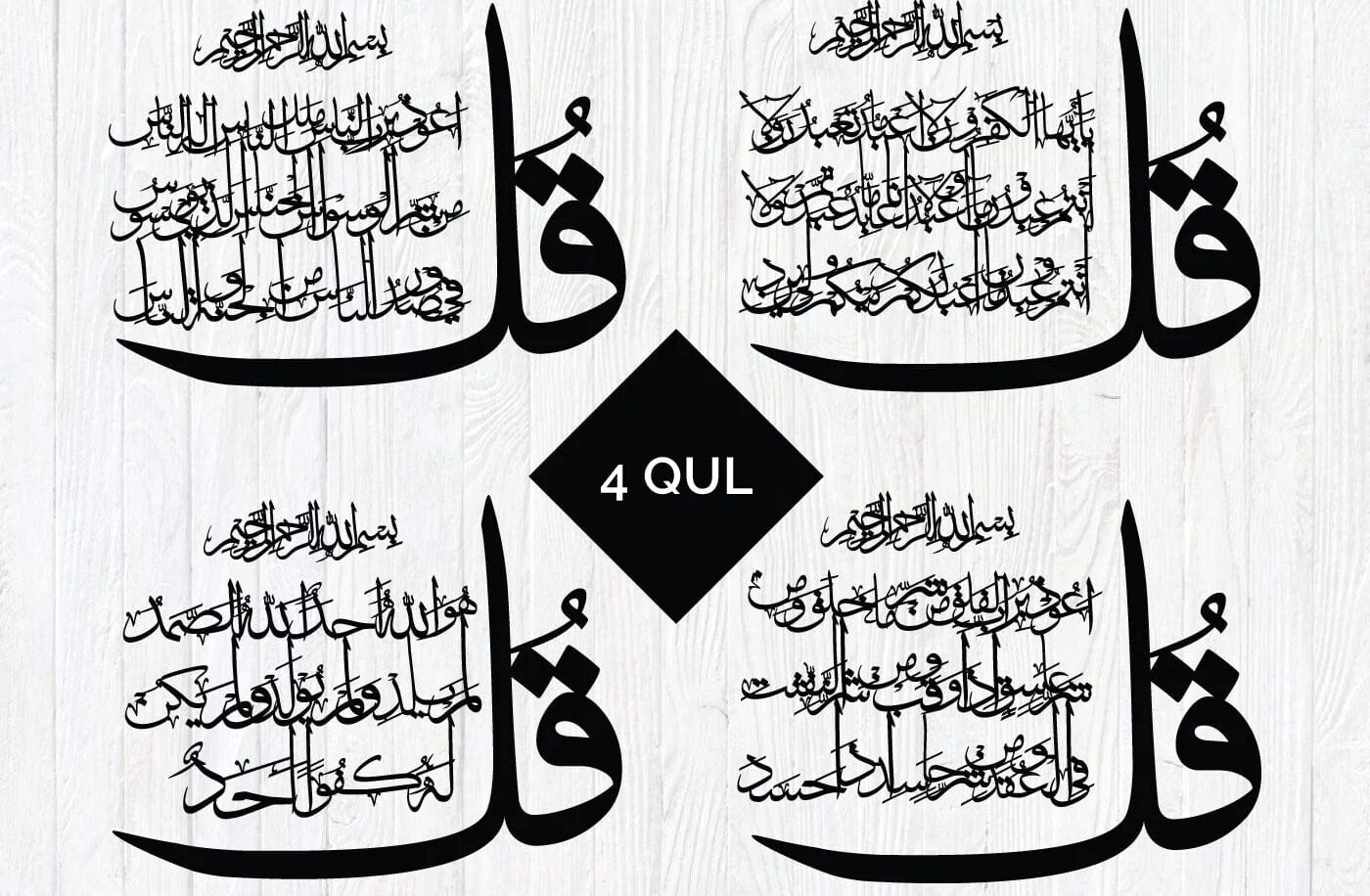
The Quran, the holy book of Islam, holds a wealth of wisdom and guidance. Within its pages lie short yet potent chapters known as the “4 Qul” (translated as “Say”). These four Surahs recited together, are believed to offer a shield against various forms of harm

The Four Guardians – 4 Qul

  1. Surah Al-Kafirun: This Surah is the 109th chapter of the Quran and is based on the 6 verses. Surah Kafiroon declares unwavering faith in Allah (SWT) and disassociation from all else worshipped besides Him. It serves as a reminder of the core Islamic belief in Tawhid (oneness of God).


[button size=”small” link=”https://pakweb.net/wp-content/uploads/2024/03/Surah-Al-Kafirun.pdf”] Download Surah kafiroon PDF[/button]

  1. Surah Al-Ikhlas: This Surah is the 112 chapter of the Quran and is based on the 4 verses. Known for its conciseness and beauty, Surah Ikhlas emphasizes Allah’s absolute oneness and uniqueness, free from any partners or offspring.

Surah-Al-Ikhlas1

[button size=”small” link=”https://pakweb.net/wp-content/uploads/2024/03/Surah-Al-Ikhlas.pdf”]Download Surah Ikhlas PDF[/button]

  1. Surah Al-Falaq: This Surah is the 113 chapter of the Quran and is based on the 5 verses. Seeking refuge in Allah (SWT), Surah Falaq pleads for protection from the evil of the created world, darkness, and the whispers of negativity. Surah Al Falaq

[button  size=”small” link=”https://pakweb.net/wp-content/uploads/2024/03/Surah-Al-Falaq.pdf”]Download Surah Falaq PDF[/button]

  1. Surah An-Nas: This Surah is the 114 chapter of the Quran and is based on the 6 verses. similar to Surah Al-Falaq, Surah Nas implores protection from the whispers and schemes of Jinn (invisible beings) and mankind.

[button size=”small” link=”https://pakweb.net/wp-content/uploads/2024/03/Surah-An-Nas.pdf”]Download Surah Nas PDF[/button]

Importance and Benefits of 4 Qul:

The Prophet Muhammad (PBUH) is reported to have recited the 4 Qul frequently, emphasizing their significance. Muslims recite them for various reasons:

  • Spiritual Protection: The 4 Qul are believed to shield believers from spiritual and worldly harm, including evil forces, black magic, and negative influences.
  • Strengthens Faith: Reciting these Surahs reinforces core Islamic beliefs in Tawhid and seeking refuge in Allah (SWT).
  • Ease of Recitation: Due to their short length and clear message, the 4 Qul are easy to memorize and incorporate into daily routines.
  • Peace and Comfort: Reciting these verses can bring peace and comfort, reminding Muslims of Allah’s (SWT) protection.

When and How to Recite 4 Qul:

There is no restriction on reciting the 4 Qul. However, some recommended times include:

  • Before Sleep: Seeking protection for the night.
  • After Prayers: As part of one’s daily prayer routine.
  • During Times of Difficulty: For solace and spiritual strength.

The key to unlocking the benefits of the 4 Qul lies in sincerity and understanding their meaning. By incorporating them into your daily life, you can harness their power and seek refuge in the divine presence of Allah (SWT).

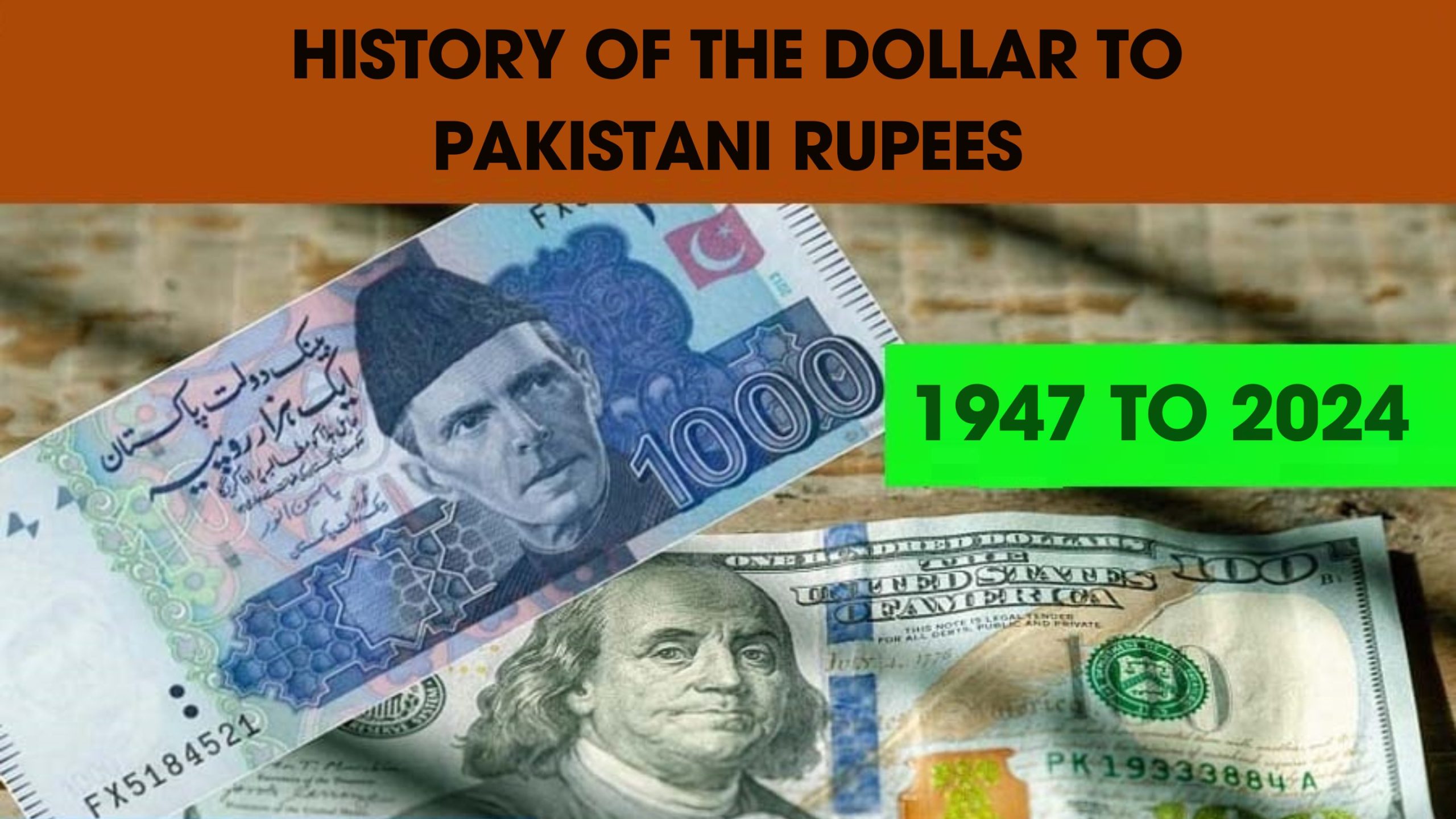
History of Dollar to Pakistani Rupees Rate from 1947 To 2024

The exchange rate between the Pakistani Rupee (PKR) and the US Dollar (USD) has seen significant changes since Pakistan’s independence in 1947. This article provides a detailed history, discusses the reasons for rate changes, and includes information on the governing parties and Prime Ministers during different periods.

1947-1958: Early Years and Stability

Dollar to Pakistani Rupees Rate in 1947: PKR 3.31 per USD

After gaining independence in 1947, Pakistan’s currency was pegged to the British Pound Sterling, resulting in a stable exchange rate of PKR 3.31 per USD. During this period, the country experienced relative economic stability.

Government: Pakistan Muslim League (PML) led by Prime Minister Liaquat Ali Khan.

Exchange Rate in 1958: PKR 4.76 per USD

1958-1971: Martial Law and Devaluation

Dollar to Pakistani Rupees Rate in 1958: PKR 4.76 per USD

In 1958, General Ayub Khan imposed martial law and assumed control of the government. During his regime, the economy saw some industrial growth, but the PKR began to devalue.

Government: Military government under General Ayub Khan.

Exchange Rate in 1971: PKR 11.00 per USD

1971-1977: Bhutto’s Era and Further Devaluation

Dollar to Pakistani Rupees Rate in 1971: PKR 11.00 per USD

Zulfikar Ali Bhutto became Prime Minister in 1971. His socialist policies and nationalization of industries led to economic challenges and further devaluation of the PKR.

Government: Pakistan People’s Party (PPP) led by Prime Minister Zulfikar Ali Bhutto.

Dollar to Pakistani Rupees Rate in 1977: PKR 9.90 per USD

1977-1988: Zia-ul-Haq’s Military Rule

Exchange Rate in 1977: PKR 9.90 per USD

General Zia-ul-Haq overthrew Bhutto in a coup in 1977. His regime saw increased foreign aid, especially from the US, due to the Soviet-Afghan War. Despite this, the PKR continued to weaken.

Government: Military government under General Zia-ul-Haq.

Dollar to Pakistani Rupees Rate in 1988: PKR 18.00 per USD

1988-1990: PPP led by Prime Minister Benazir Bhutto.

Dollar to Pakistani Rupees Rate in 1988: PKR 18.00 per USD

After Zia’s death, Benazir Bhutto and Nawaz Sharif alternated in power. Political instability and economic challenges led to a significant depreciation of the PKR.

Benazir Bhutto, the first woman to lead a Muslim-majority country, took office in 1988. Her government focused on social reforms and attempted to address poverty and health issues. However, her tenure was marred by allegations of corruption and economic mismanagement, leading to further devaluation of the PKR.

Government: Pakistan People’s Party (PPP)

Prime Minister: Benazir Bhutto

Dollar to Pakistani Rupees Rate in 1990: PKR 21.71 per USD

1990-1993: Pakistan Muslim League-Nawaz (PML-N) led by Prime Minister Nawaz Sharif.

Dollar to Pakistani Rupees Rate in 1990: PKR 21.71 per USD

Nawaz Sharif’s first term as Prime Minister saw economic liberalization and privatization policies aimed at boosting the economy. Despite some economic progress, political instability and accusations of corruption affected investor confidence and contributed to the depreciation of the PKR.

Government: Pakistan Muslim League-Nawaz (PML-N)

Prime Minister: Nawaz Sharif

Dollar to Pakistani Rupees Rate in 1993: PKR 28.10 per USD

1993-1996: PPP led by Prime Minister Benazir Bhutto.

Dollar to Pakistani Rupees Rate in 1993: PKR 28.10 per USD

Benazir Bhutto returned to power in 1993. Her second term was again plagued by allegations of corruption and misgovernance. Economic conditions worsened, leading to further depreciation of the PKR. Her government was dismissed in 1996.

Government: Pakistan People’s Party (PPP)

Prime Minister: Benazir Bhutto

Dollar to Pakistani Rupees Rate in 1996: PKR 38.50 per USD

1997-1999: PML-N led by Prime Minister Nawaz Sharif.

Nawaz Sharif’s second term focused on economic reforms and infrastructure projects. However, political unrest and conflict with the judiciary and military destabilized his government. In 1999, General Pervez Musharraf led a military coup, deposing Nawaz Sharif and further impacting the PKR.

Government: Pakistan Muslim League-Nawaz (PML-N)

Prime Minister: Nawaz Sharif

Dollar to Pakistani Rupees Rate in 1999: PKR 52.00 per USD

1999-2008: Musharraf’s Military Rule

Exchange Rate in 1999: PKR 52.00 per USD

General Pervez Musharraf took power in a coup in 1999. His era saw economic reforms and growth, but also a significant depreciation of the PKR.

Government: Military government under General Pervez Musharraf.

Dollar to Pakistani Rupees Rate in 2008: PKR 70.00 per USD

2008-2013: PPP’s Return and Economic Challenges

Exchange Rate in 2008: PKR 70.00 per USD

The PPP returned to power with Asif Ali Zardari as President and Yousaf Raza Gillani as Prime Minister. Economic issues, including energy crises and inflation, led to further devaluation.

Government: PPP led by Prime Minister Yousaf Raza Gillani and later Raja Pervaiz Ashraf.

Dollar to Pakistani Rupees Rate in 2013: PKR 101.00 per USD

2013-2018: PML-N’s Third Term and CPEC

Dollar to Pakistani Rupees Rate in 2013: PKR 101.00 per USD

Nawaz Sharif’s PML-N returned to power in 2013. The China-Pakistan Economic Corridor (CPEC) brought investments, but the PKR still depreciated due to political instability and economic challenges.

Government: PML-N led by Prime Minister Nawaz Sharif and later Shahid Khaqan Abbasi.

Dollar to Pakistani Rupees Rate in 2018: PKR 138.00 per USD

2018-2022: PTI Government and Economic Turmoil

Exchange Rate in 2018: PKR 138.00 per USD

Imran Khan’s Pakistan Tehreek-e-Insaf (PTI) took office in 2018. Economic challenges, including the balance of payments crisis and IMF loans, led to a sharp devaluation of the PKR.

Government: PTI led by Prime Minister Imran Khan.

Dollar to Pakistani Rupees Rate in 2022: PKR 177.50 per USD

2022-2024: Political Instability and Continued Depreciation

April 2022 – August 2023: Shehbaz Sharif’s Government

Exchange Rate in 2022: PKR 177.50 per USD

During 2022-2023, Pakistan experienced significant political changes and instability:

April 2022: Imran Khan was ousted as Prime Minister through a vote of no confidence.

April 2022 – August 2023: Shehbaz Sharif, leader of the Pakistan Muslim League-Nawaz (PML-N), became Prime Minister. His tenure focused on addressing economic challenges, securing IMF loans, and managing political instability.

Economic Context: During Shehbaz Sharif’s government, Pakistan faced severe economic challenges, including high inflation, a depreciating currency, and the need for financial assistance from the IMF.

Government: Pakistan Muslim League-Nawaz (PML-N) led coalition

Prime Minister: Shehbaz Sharif

Dollar to Pakistani Rupees Rate in August 2023: Approximate range PKR 230-250 per USD

In August 2023, the government transitioned to a caretaker administration to oversee the upcoming general elections.

August 2023 – February 2024: Caretaker Government

Exchange Rate in August 2023: Approximate range PKR 230-287 per USD

August 2023 onwards: Anwaar-ul-Haq Kakar was appointed as the Caretaker Prime Minister to manage the country until the general elections.

Economic Context: The caretaker government focused on maintaining stability and preparing for elections amidst ongoing economic issues.

Government: Caretaker administration

Prime Minister: Anwaar-ul-Haq Kakar (Caretaker Prime Minister)

Dollar to Pakistani Rupees Rate in February 2024: Approximate range PKR 278-280 per USD

Conclusion

The exchange rate of the PKR against the USD has been influenced by various factors, including political stability, economic policies, global economic conditions, and external financial assistance. Understanding these historical trends helps in comprehending the economic challenges and opportunities faced by Pakistan over the decades.

Jazz Daily Call Packages – Daily, Weekly, Monthly (2024)

Affordable Jazz Daily Call Packages

Jazz offers a variety of budget-friendly daily voice packages. Options like the ‘Jazz Sindh Package’ and ‘Jazz Punjab Package’ provide unlimited Jazz calls and 250 MB of data for just Rs.12. Additionally, the ‘Jazz Daily Day Bundle’ gives you 300 Jazz minutes, 300 SMS, and 20 MB of data for Rs 14.5.

Pakistan’s Leading Network: Jazz

Jazz, previously known as Mobilink, is a major player in Pakistan’s telecom industry. Launched in 1994, it has grown significantly. In 2015, Jazz acquired Warid, another major network, solidifying its market position. Today, Jazz boasts a 37% market share, making it the preferred choice for millions of Pakistanis.

Staying Connected with Apna Sheher Package

Recognized as one of the best internet packages from Jazz, the ‘Apna Sheher Package’ caters specifically to Sindh province. This plan offers a massive 5000 Jazz minutes, 5000 SMS to all local networks, 50 minutes to other networks, and a generous 12 GB of data, all for just Rs.239 (including tax).

Jazz Daily Call Packages

Package NameOn-Net MinsOff-Net MinsSMSMBsValidityPriceHow to Subscribe
Jazz Super F&F PackageUnlimitedUnlimitedUnlimited1 DayRs.9.56*141*F&F_Number#
Apna Shehar Package (Selected Cities)Unlimited15001001 DayRs.12*229#
Jazz Punjab Package (Selected Cities Only)Unlimited10002501 DayRs.12*6000#
KP Daily OfferUnlimited15002501 DayRs.21*291#
Karachi Daily Hybrid Package (For Khi Only)Unlimited15002501 DayRs.21*400#
Jazz Sindh PackageUnlimited15002501 DayRs.21*522#
Jazz Daily Super1440502001 DayRs.30*212#
Jazz Super BundleUnlimited502001 DayRs.30*212#

Stay Connected Affordably with Jazz Weekly Packages

Jazz understands its customers’ need to stay connected, offering a variety of budget-friendly weekly voice packages. Here are some popular options:

  • Haftawaar All-Rounder Offer: This plan provides 1000 Jazz minutes, 1000 SMS, 50 other network minutes, and 1GB of data for just Rs.120 (valid for 7 days).
  • Jazz Weekly All Network: For Rs.191, connect with loved ones across Pakistan with 1000 Jazz minutes, 1000 SMS, 60 other network minutes, and 3GB of data.

New Customer? Jazz Super SIM Offer:

Get started with Jazz by grabbing a new SIM with the Super SIM Offer. Enjoy 600 Jazz minutes, 600 SMS, 30 other network minutes, and 6GB of data for only Rs.60 (including tax).

Supercharge Your Week with Jazz Weekly Super Duper Offer:

This top-tier package offers a week of value with 1500 Jazz minutes, 1500 SMS, 6GB of data, and 60 other network minutes for just Rs.239.

Jazz: Committed to Your Communication Needs

Jazz offers a variety of options to fit your needs, proving they truly care about keeping you connected.

Jazz Weekly Call Packages

Package NameOn-Net MinsOff-Net MinsSMSMBsValidityPriceHow to Subscribe
Jazz New SIM Offer1000100010007 DaysRs.0 *191#
Jazz 4G Sim Offer50050050007 DaysRs.0Dial *443*7#
Jazz Super Sim Offer6003060060007 DaysRs.78 *476#
Jazz Sargodha Weekly Offer300030300030007 DaysRs.130 *627#
Jazz Sindh Raabta Offer10004010007 DaysRs.130 *766#
Jazz Weekly Voice Offer10007 DaysRs.139*211#
Jazz Super Woman BundleUnlimited120007 DaysRs.145*117*14#
Jazz Haftawar All Rounder Package (Selected Cities Only)100050100010007 DaysRs.150*747#
Jazz Work From Home BundleUnlimited120007 DaysRs.160*117*14#
Jazz Weekly Gupshup10006010001007 DaysRs.165 *211#
Jazz Weekly All Network Package100090100030007 DaysRs.260 *700#
Jazz Quetta Haftawar Offer50001005000120007 DaysRs.260*609#
Jazz Weekly Super Duper Offer50001205000100007 DaysRs.345Dial *770#
Jazz Weekly Super Plus50001205000100007 DaysRs.345*505#
Jazz Weekly Super Max60001506000300007 DaysRs.417*506#
Jazz Weekly Freedom10001000500007 DaysRs.430*737#

Jazz boasts a strong network with over 74 million subscribers in Pakistan, supported by a growing network of 12,500 cell sites. They’re constantly striving to bring you the best value with exciting new monthly offers.

Returning Customer?

If you haven’t been using your Jazz SIM, Jazz has a special offer for you! Reactivate your SIM with the ‘Jazz Sim Lagao Offer’ and get 3000 Jazz minutes, 3000 SMS, and 6GB of data for just Rs.0.01. Simply dial *551# to reactivate and enjoy these amazing benefits.

Looking for a Monthly Plan?

Jazz offers a variety of monthly packages to fit your needs:

  • Jazz Monthly Hybrid Offer: Stay connected with loved ones with 10,000 Jazz Minutes, 2500 SMS, 4GB Data, and 100 other network Minutes for just Rs.545. Subscribe by dialing *430#.
  • Jazz Super Duper Card: Get incredible value every month with 3000 Jazz Mins, 3000 SMS, 8GB Data, and 165 other network minutes, all for Rs.655 (including tax).

Stay Informed:

For the latest coverage areas and offer details, please refer to Jazz’s official channels.

Jazz Monthly Call Packages

Package NameOn-Net MinsOff-Net MinsSMSMBsValidityPriceHow to Subscribe
Jazz Mahana Bachat Offer300501000600030 DaysRs.250*614#
Jazz Monthly Social Plus300503001000030 DaysRs.275*617#
Jazz Karachi Mahana Offer500015050001000030 DaysRs.521*529#
Jazz Super Mahana Offer500015050001000030 DaysRs.521*529#
Jazz Monthly Hybrid Bundle300030030001000030 DaysRs.868430#
Jazz Monthly Super Duper300030030001000030 DaysRs.868Dial *706#
Jazz Monthly Premium Plus Package300050030002000030 DaysRs.1085*2000#
Jazz Monthly Super Duper Plus Offer300050030004000030 DaysRs.1260*707#
Jazz Monthly Max300050030004000030 DaysRs.1260dial: *708#
Jazz Monthly Freedom2000200010000030 DaysRs.1564*733#

Jazz: Your One-Stop Shop for Mobile Needs in Pakistan

Jazz has become a leading name in Pakistan’s telecom industry thanks to its exciting bundles and commitment to customer satisfaction. They offer various options to fit your needs, from daily deals to weekly and monthly plans.

A Range of Mobile Solutions:

  • Daily, Weekly, and Monthly Packages: Jazz caters to your usage patterns with various daily top-ups, affordable weekly bundles, and feature-packed monthly plans. Explore their website or app to find the perfect fit.
  • Jazz Gold Super Advance: Need a quick financial boost? (For Jazz Gold Prepaid subscribers only) Dial *112# to get a loan of Rs.15 (requires a recent recharge of Rs.100 or more and a credit balance below Rs.100).
  • Jazz 3-Day-Max Offer: Enjoy 1GB of data and 100 Jazz minutes for just Rs.35 (including tax) for 3 days. Simply dial *631# to activate (check status with 6312#).

Constantly Innovating:

Jazz is dedicated to providing you with new and exciting packages for internet, voice calls, and SMS. Stay tuned for their latest offerings!

Jazz Others Call Packages

Package NameOn-Net MinsOff-Net MinsSMSMBsValidityPriceHow to Subscribe
Jazz Saudia Arabia & UAE OfferRs.0.00*452#
Jazz UK OfferRs.0.00*456*2#
Jazz Sim Lagao Offer300030006000Rs.0.01*551#
Jazz Super Advance Offer  (Free Balance: up to 200)Rs.4.60*112#
Jazz Give A Bundle10010003 DaysRs.35*919#
Jazz 3 Day Call Offer10001010001003 DaysRs.55356#
Jazz 3 Day Max Offer100010100010003 DaysRs.60*631#
Jazz Voice Infinity Offer120203 MonthsRs.100*710#
Jazz Lajawab Haftawar Offer30003030003000Rs.112*565#

Stay Connected with Jazz’s Weekly Packages

Jazz offers a variety of affordable weekly plans to keep you connected. Here are some highlights:

  • Jazz Weekly Super Plus: Talk and text freely with 5000 Jazz minutes, 80 other network minutes, 5000 SMS, and a massive 12GB of data for just Rs.282 (including tax), valid for 7 days. Dial *505# to subscribe.
  • Jazz 3 Day Max Offer: Need a quick boost? Enjoy 100 Jazz minutes and 1GB of data for just Rs.35 (including tax) for 3 days. Dial *631# to activate.
  • Jazz Lajawab Haftawar Offer: This hybrid plan balances calls, texts, and data. Get 2500 Jazz minutes, 2.5GB of data, 2500 SMS, and 25 other network minutes for Rs.75 (including tax), valid for 7 days. Dial *565# to subscribe (requires a minimum recharge of Rs.98).
  • Jazz Weekly All Network: Connect with everyone! This plan provides 1000 Jazz minutes, 60 other network minutes, 1000 SMS, and 3GB of data for just Rs.191 (including tax), valid for 7 days. Dial *700# to activate.

Supercharge Your Week or Month with Jazz

For heavy users, Jazz offers even more powerful options:

  • Jazz Weekly Super Duper: Enjoy 1500 Jazz minutes, 60 other network minutes, 1500 SMS, and 6GB of data for just Rs.239 (including tax), valid for 7 days. Dial *770# to subscribe (check bundle info by dialing 7703#).
  • Jazz Monthly Super Duper: This ultimate monthly plan offers 3000 Jazz minutes, 165 other network minutes, 3000 SMS, and a whopping 8GB of data for just Rs.655 (including tax). Dial *706# to subscribe and stay connected for the entire month.

How Do You Calculate Zakat?

Calculating Zakat is an important aspect of fulfilling the obligation of giving in Islam. Zakat is a form of obligatory charity that Muslims are required to give to support the less fortunate and those in need. Here is a general guide on how to calculate Zakat.

Understand the Nisab

Nisab is the minimum threshold of wealth that must be reached for Zakat to be obligatory. It is based on the value of gold or silver and is subject to change. It is important to check the current Nisab value to determine if Zakat is due.

Calculate Total Assets

Determine the total value of your assets, including cash, savings, investments, gold, silver, and business holdings. Exclude personal items used for daily life, such as your primary residence and necessary household items.

Calculate Debts: Deduct any outstanding debts, loans, or obligations from your total assets.

Determine Eligible Assets

Identify the assets that are eligible for Zakat. Cash, savings, investments, and business holdings are usually subject to Zakat.

Calculate Zakat Amount

Subtract the value of your debts from your eligible assets. If the remaining amount is equal to or exceeds the Nisab, Zakat becomes obligatory.

Calculate Zakat Amount

The standard Zakat rate is 2.5% of the Zakatable amount. Multiply the Zakatable amount by 0.025 to calculate the Zakat due.

Distribution: Once you have calculated the Zakat amount, it should be distributed to eligible recipients, such as the poor, needy, debtors, and those working in the field of Islamic welfare.

Types of Wealth: Zakat is typically applicable to various types of wealth, including cash, bank balances, savings, investments, stocks, shares, business assets, gold, silver, and agricultural produce. Each type of wealth may have specific rules and considerations for Zakat calculation.

Agricultural Produce: If you own agricultural land or engage in farming, Zakat may be applicable to the produce. The Zakat rate for agricultural produce is generally 10% for irrigated crops and 5% for rain-fed crops.

Calculation Frequency: Zakat is calculated on an annual basis. It is recommended to choose a specific date each year as your Zakat anniversary and calculate Zakat accordingly.

Deducting Liabilities: In addition to deducting outstanding debts, you can also subtract expenses that are necessary for generating income or maintaining assets, such as business expenses or property maintenance costs.

Professional Advice: If you have complex financial situations, it is advisable to consult with knowledgeable individuals, accountants, or Islamic scholars who specialize in Zakat calculations. They can provide accurate guidance based on your specific circumstances.

Zakat on Jewelry: Zakat is generally due on gold and silver jewelry that meets the Nisab threshold. The value of the jewelry is calculated based on its market value or the weight of the gold and silver it contains.

How Much Are Muslims Obligated to Pay in Zakat?

How Do You Calculate Zakat

Muslims are obligated to pay a specific percentage of their eligible wealth as Zakat. The standard Zakat rate is 2.5%, which means that Muslims are required to give 2.5% of their eligible assets as Zakat each year. This percentage is calculated based on the value of the assets that meet the Nisab threshold after deducting outstanding debts. For example, if someone’s eligible assets amount to $10,000, they would be obligated to pay $250 as Zakat. It is important to note that the Zakat rate may vary for certain types of wealth, such as agricultural produce, and it is advisable to seek guidance from Islamic scholars or knowledgeable individuals for specific calculations.

Frequently Ask Questions

Q: What is the rule of Zakat in Islam?
A: Zakat is an obligatory act of charity in Islam. It is considered one of the Five Pillars of Islam, and eligible Muslims must give a portion of their wealth to those in need.

Q: What does Zakat mean in Islam?
A: Zakat, in Islam, refers to the act of giving a specific portion of one’s eligible wealth to support the less fortunate and those in need. It is an obligation for Muslims and serves as a way to purify wealth and promote social welfare.

Q: What are the three types of Zakat?
A: The three types of Zakat are:

1. Zakat al-Mal: This refers to the Zakat on wealth, including cash, savings, investments, and business assets.
2. Zakat al-Fitr: This is the Zakat given at the end of Ramadan as a form of charity to purify the fast and provide for the needy.
3. Zakat al-Ilm: This type of Zakat refers to the sharing of knowledge and education with others.

Q: What are the four conditions of Zakat?
A: The four conditions for Zakat to be obligatory are:

1. Ownership of wealth above the Nisab threshold.
2. The passage of one lunar year (Hawl) since acquiring the eligible wealth.
3. The wealth must be productive and capable of growth.
4. The wealth should reach or exceed the Nisab threshold after deducting necessary expenses and outstanding debts.

Why Muslims Pray Salah: Understanding Its Spiritual and Practical Benefits

Muslims Pray Salah as a means of fulfilling their religious obligations and maintaining a strong connection with Allah. Salah is an integral part of Islamic worship, serving as a direct form of communication with the Almighty. It is a way for Muslims to express their gratitude, seek forgiveness, and seek guidance from Allah.

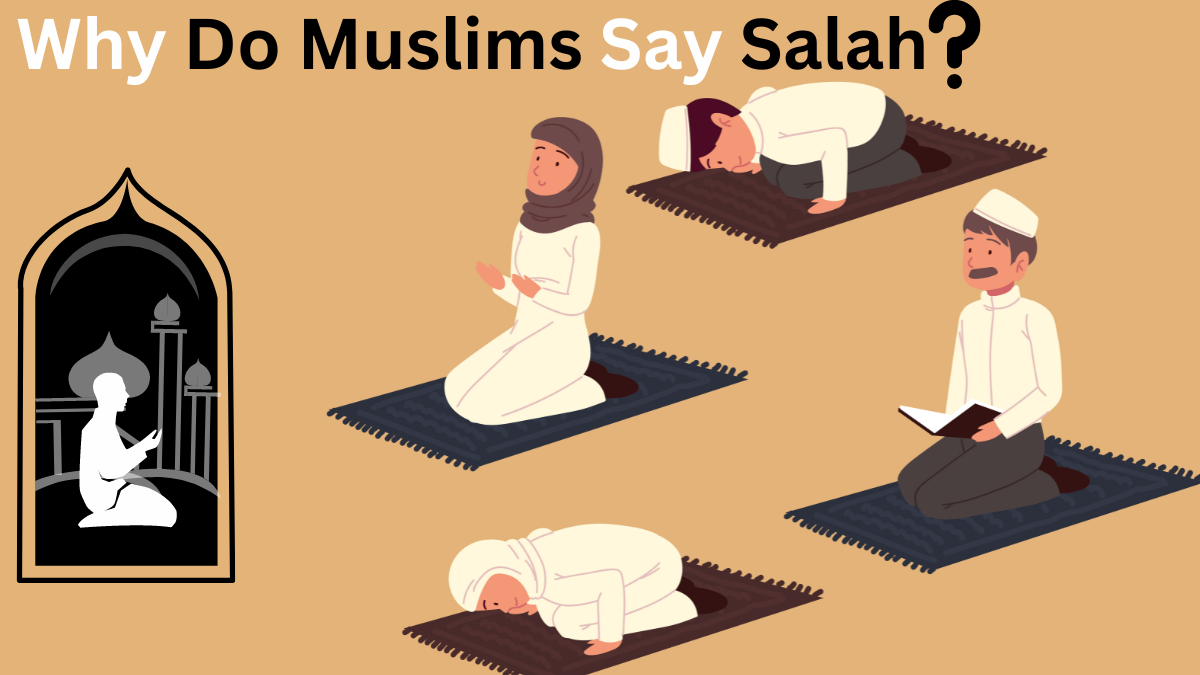
The act of Salah involves physical movements, such as standing, bowing, prostrating, and sitting, accompanied by recitation of verses from the Qur’an. Through Salah, Muslims demonstrate their submission to Allah and acknowledge His supreme authority in their lives.

It is a means of purifying the soul, cultivating mindfulness, and fostering spiritual growth. Muslims believe that Salah not only brings them closer to Allah but also brings blessings, peace, and tranquility into their lives.

What Does Salah Mean?

Salah, also known as prayer, holds deep significance in Islam. It is a fundamental act of worship that Muslims perform as a means of connecting with Allah. Salah is a spiritual practice involving specific physical postures, recitation of verses from the Qur’an, and supplications. It serves as a direct communication channel between the individual and their Creator, fostering a sense of devotion, humility, and spiritual growth.

Salah is a ritual that Muslims engage in regularly, following prescribed timings and sequences. It encompasses both individual and congregational prayers, uniting believers in a collective expression of faith.

Salah Mean

The Significance of Salah – The Second Pillar of Islam

Salah, also known as prayer, is the second pillar of Islam and holds great significance in the lives of Muslims. It is a fundamental act of worship that Muslims perform five times a day as a means of obeying Allah’s commandments and expressing their devotion.

Salah serves as a direct connection between the individual and their Creator, allowing Muslims to seek forgiveness, guidance, and blessings. It involves specific physical postures, recitation of verses from the Qur’an, and supplications.

Through Salah, Muslims demonstrate their submission to Allah and their commitment to fulfilling their religious duties. It serves as a constant reminder of the presence of Allah in their lives and serves as a source of spiritual nourishment and inner peace. Salah is a way for Muslims to strengthen their relationship with Allah and strive for righteousness in all aspects of their lives.

Performing Salah – Connecting with Allah in Islam

Performing Salah, or prayer, is an essential aspect of a Muslim’s daily life and holds deep meaning in Islam. It is a spiritual practice that Muslims engage in to connect with Allah and seek His guidance, mercy, and blessings.

Salah involves specific physical movements, including standing, bowing, prostrating, and sitting, while reciting verses from the Qur’an. It is performed five times a day at designated times, namely Fajr, Dhuhr, Asr, Maghrib, and Isha.

Muslims purify themselves before Salah and face the Kaaba in Mecca as a symbol of unity. Through Salah, Muslims express their humility, gratitude, and submission to Allah, acknowledging Him as the ultimate authority in their lives. It serves as a means of spiritual rejuvenation, fostering mindfulness, and strengthening the bond between the believer and their Creator.

The Benefits of Salah: Strengthening Spirituality and Personal Growth in Islam

The benefits of Salah (prayer) in Islam are numerous and extend to various aspects of a believer’s life. Firstly, Salah serves as a means of spiritual nourishment, allowing Muslims to connect with Allah and seek His guidance, mercy, and forgiveness. It provides a sense of tranquility, peace, and solace in times of hardship. Through Salah, Muslims cultivate mindfulness and develop a deeper awareness of their actions, thoughts, and intentions.

Benefits of Salah

Salah also plays a role in promoting discipline and time management. The regularity and punctuality of performing Salah five times a day instill a sense of routine and structure in one’s daily life. This discipline can extend to other areas, improving productivity and overall well-being.

Furthermore, Salah fosters a sense of unity and community. Congregational prayers, such as the Friday prayer (Jumu’ah), bring Muslims together, strengthening bonds and fostering a sense of brotherhood and sisterhood. It is a time for collective worship, reflection, and learning.

Additionally, Salah serves as a reminder of the transient nature of life and the importance of prioritizing spiritual pursuits. It helps Muslims remain focused on their purpose in this world and their ultimate goal of seeking the pleasure of Allah.

Rules, Guidelines, and facts about Salah (prayer) are as follows:

Obligation: Salah is an obligatory act of worship for Muslims and is the second pillar of Islam.

Five Daily Prayers: Muslims are required to perform Salah five times a day at specific times:
⦁ Fajr (dawn)
⦁ Dhuhr (midday)
⦁ Asr (afternoon)
⦁ Maghrib (sunset)
⦁ Isha (night)

Purity: Before performing Salah, Muslims must ensure they are in a state of ritual purity by performing ablution (Wudu) or full ablution (Ghusl) if necessary.

Facing the Qiblah: Muslims should face the Kaaba in Mecca, Saudi Arabia, during Salah. This direction is called the Qiblah.

Physical Postures: Salah involves specific physical movements, including standing (Qiyam), bowing (Ruku), prostration (Sujood), and sitting (Jalsa).

Recitation: During Salah, Muslims recite verses from the Qur’an, including Surah Al Fatiha, and may recite additional supplications.

Intention and Focus: A sincere intention and focus on Allah are essential for the validity of Salah. Distractions should be avoided.

Congregational Prayer: Muslims are encouraged to perform Salah in congregation, especially for the Friday prayer (Jumu’ah).

Recommended Sunnah Prayers: There are additional voluntary prayers called Sunnah or Nafl prayers that can be performed before or after the obligatory Salah.

Importance of Adherence: Consistent and punctual performance of Salah is encouraged as it strengthens the spiritual connection with Allah and helps maintain righteousness.

Spiritual Benefits: Salah serves as a means of seeking forgiveness, guidance, and blessings from Allah. It promotes humility, mindfulness, and spiritual growth.

Personal Relationship with Allah: Salah is a direct communication between the individual and their Creator, fostering a strong bond and a sense of devotion.

Frequently Asked Questions

Question: Is it prayer or salah?

Answer: The term “salah” is an Arabic word commonly used to refer to the Islamic act of worship, often translated as “prayer” in English. While the term “prayer” can have broader meanings in English, “salah” specifically refers to the prescribed ritualistic prayers performed by Muslims.

Question: What do Muslims say before salah?

Answer: Before starting salah, Muslims usually say a supplication known as the “Takbiratul Ihram.” It consists of saying “Allahu Akbar,” which means “Allah is the greatest.” This declaration signifies the beginning of the prayer and the worshipper’s focus on Allah.

Question: How do you offer salah prayer?

Answer: Salah prayer involves a specific sequence of physical postures, recitations, and supplications. The exact method may vary depending on the specific prayer being performed. However, in general, salah involves the following steps:

  1. Perform ablution (wudu) by washing the hands, mouth, face, arms, and feet.
  2. Stand facing the qibla (the direction of the Kaaba in Mecca).
  3. Raise both hands to the ears and say the Takbiratul Ihram, “Allahu Akbar.”
  4. Place the right hand over the left hand on the chest and recite the opening supplication, known as the Du’a al-Istiftah.
  5. Recite the Fatiha, the first chapter of the Quran.
  6. Perform additional recitations from the Quran or specific prayers depending on the prayer being performed.
  7. Perform physical prostrations (sujood) where the forehead, nose, hands, and knees touch the ground.
  8. Repeat a sequence of standing, bowing, and prostrating depending on the prayer.
  9. Conclude the prayer with the Taslim, where the worshipper turns the head to the right and says “Assalamu Alaykum wa Rahmatullah” (Peace be upon you and the mercy of Allah). Then, they turn the head to the left and repeat the same phrase.