Rhinoplasty in Islamabad: Benefits, Procedure, Recovery & Cost
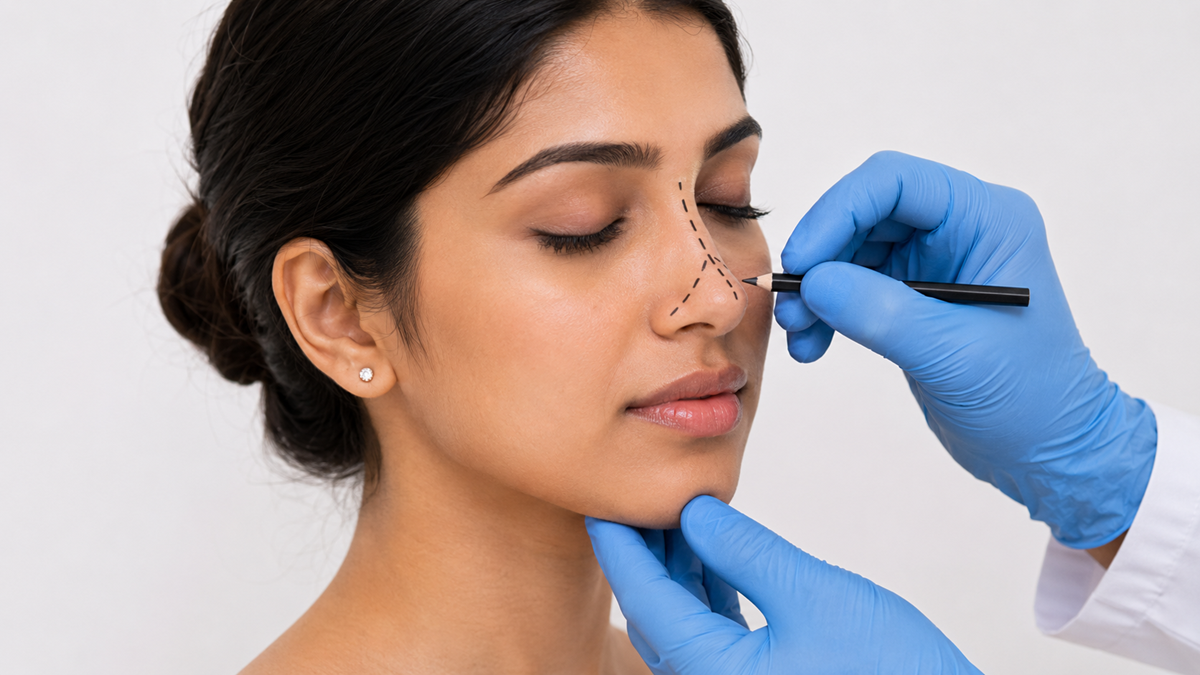
Have you had nasal deformities that you are unable to get rid of? Do you feel embarrassed and conscious because of protruding and operative nasal issues?
When an individual feels disappointed with the shape of the nose or experiences breathing issues, it can significantly impact daily comfort. This has substantially increased the popularity of Rhinoplasty in Islamabad. As more individuals seek professional ways to balance their facial features or improve their nasal airflow.
What is Rhinoplasty?
Rhinoplasty is a technically invasive approach designed to alter the structure and appearance of the nose. It is commonly referred to as nose reshaping surgery or cosmetic nose surgery because it can fundamentally change how the nose fits with the rest of the facial structures.
The procedure allows a surgeon to precisely modify several key areas of the nose:
- Form and Dimensions: Reducing a prominent hump or changing the overall width.
- Nasal Bridge: Untangling a crooked bridge or smoothing out structural depressions.
- Nasal Tip: Refining a bulbous, drooping, or upturned tip.
- Nostrils: Reshaping or narrowing large or wide nostrils.
While many people seek this treatment for purely aesthetic reasons, others require it for functional purposes. A cosmetic procedure focuses on visual balance, while functional surgery corrects internal blockages to restore normal breathing.
Who Is an Appropriate Candidate for Rhinoplasty?
Not all individuals are suitable for this nose fixation process because structural readiness and cognitive preparation are both essential.
Ideal candidates generally include:
- Adults with Fully Developed Features: The facial skeleton must finish growing completely. This typically happens by the late teens.
- Those Dispirited with Their Nose: Individuals longing to fix hereditary traits or asymmetries that impact their appearance.
- People with Health Issues: Individuals dealing with chronic blockages or structural breathing defects.
Having naturalistic expectations is perhaps the most critical factor for a successful outcome. The goal of the surgical approach is improvement rather than absolute perfection and understanding this helps patients appreciate their unique results.
Cosmetic and Functional Benefits of Nose Reshaping:
Opting for the nose reshaping treatment offers a blend of visual enhancements and medical relief.
Cosmetic Improvement by Rhinoplasty:
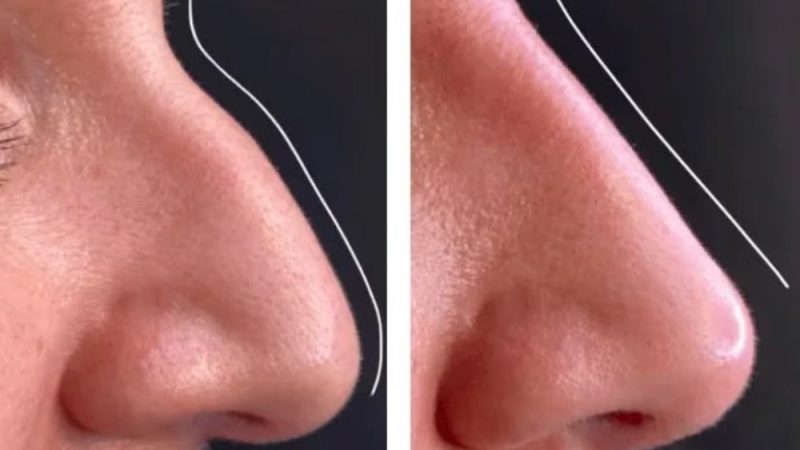
- It reduces and releases the prominent nose bridge bump.
- Reshapes the droopy and overly pronounced nose tip.
- Helps with narrowing a wide nose opening
- Corrects deviations and twists
- Creates a straighter, symmetrical profile
- Alters and balances the angle between the nose and the upper lip.
Breathing Improvement by Rhinoplasty
- Works as a combined approach with septoplasty to enhance the septum.
- Reinforces the nasal valves with cartilage grafts.
- Significantly widens the airways and prevents collapse.
- Restructures the enlarged turbinates by reducing their size.
- Corrects previously traumatic nose & injuries.
- Revision surgery can reshape and rebuild the nose.
Types of Rhinoplasty Procedures:
Experts use distinct methods depending on the individual’s specific anatomy and goals.
- Open Rhinoplasty: In this approach, the expert makes a small incision in the central strip of tissue between the nostrils. This allows the surgeon to lift the soft tissue and view the nasal structure completely. It is best for complex revisions and cases requiring cartilage grafting.
- Closed Rhinoplasty: It is also known as endonasal Rhinoplasty. This technique involves incisions made entirely inside the nostrils. It is best for minor adjustments, such as small hump reduction or minor tip refinement. This leaves no visible scars as it has no external incisions. It involves slightly shorter recovery periods.
- Revision Rhinoplasty: Surgeons perform this secondary surgery on a nose that has already been operated on. It is to correct issues that arise after the primary surgery. This approach is generally more complex than primary surgery because surgery has already altered the anatomy, and there might be a shortage of cartilage.
- Functional Rhinoplasty: The goal of this is to achieve the desired functional changes in a single session. You can perform it with an open and closed approach. This therapy is generally less complex.
What Happens During Rhinoplasty:
A step-by-step process of rhinoplasty involves;
- Initial Assessment: Your nose condition is thoroughly assessed. You can discuss your goals and desired outcomes with the surgeon.
- Anesthesia: An anesthetic is used to maintain comfort and ease throughout the procedure.
- Surgical Incision: The nose is reshaped as per the requirements with the help of internal or external excision.
- Correction of Issues: The issues are corrected, and the functional problems are addressed as per the need.
- Incision Closure: The openings are carefully bound, and adhesives are applied to ensure proper recovery.
Recovery Timeline After Rhinoplasty:
Week 1:
- Swelling begins to subside slightly
- Bruising around the eyes fades steadily
- Nasal splints and inner splints stay in the area
- Stitches may be removed after 5–7 days
- Slight pain, managed with prescribed painkillers
- Nasal congestion and issues breathing through the nostrils due to inner swelling
Week 2-4:
- Nasal respiration begins improving progressively
- You could resume mild daily responsibilities, but still keep away from exercising
- The tip of the nostril may additionally experience numbness or stiffness, which is normal
- Can apply make-up if favoured
Months 1–3
- 70–80% of swelling subsides
- Nasal breathing is normalised
- Can resume more extensive bodily activities
- The final nasal contour starts to emerge
- Skin sensitivity and tightness decrease
Months 4–6
- Most candidates are very satisfied with their results
- Scar starts and begins to vanish
- Can now undergo non-invasive facial remedies like facials or skin rejuvenation
Pre and Post-Care Guidelines for Rhinoplasty:
Strictly following medical advice ensures a smooth recovery and protects your surgical investment.
Before Surgery:
- Discuss your medical history, health conditions, and ongoing medications’
- Refrain from taking any blood-thinning medications
- Undergo the complete required medical tests
- Drink plenty of water and maintain inner and outer hydration
- Consume nutritious meals
- Follow the fasting instructions provided by your specialist.
After Surgery:
- Maintain an elevated position for the initial recovery phase
- Apply cooling gel gently to mitigate puffiness
- Do not expel air forcefully from the nasal passage
- Refrain from putting undue external pressure on the delicate area
- Shield the nose from direct radiation
- Ensure the surgical site remains dry and untouched
Common Risks Associated with Rhinoplasty:
Although rhinoplasty is performed by highly specialised professionals, there can be some minor drawbacks that an individual may experience.
| Nasal Septal Perforation | Infection at the treated site |
| Poor wound healing | Skin Discoloration |
| Undesirable look | Loss of sense of smell |
| Extreme pain and puffiness | Rare risk of permanent scarring |
What Factors Affect the Cost of Rhinoplasty:
The total financial investment for the nose surgery varies significantly based on several key elements;
- Practitioners Experience: Highly reputable and board-certified experts generally command higher fees for their expertise.
- Clinic Facilities: Premium clinical setups with advanced operating equipment cost more than standard surgical centres.
- Procedure Complexity: Extensive structural reconstructions or fixing a severely broken nose require more time and resources.
- Type of Rhinoplasty: The type of surgery to be performed can significantly impact the overall procedure cost. Revision surgeries are technically demanding and inherently cost more than a first-time procedure.
- Anesthesia & Follow-up Care: Anesthesia and subsequent check-up visits contribute to the final bill.
How to Choose a Qualified Rhinoplasty Surgeon:
The key to achieving your aesthetic goals safely lies in selecting the right medical professional. The major factors that you should look for are;
- Board Certification: Confirm that the expert possesses formal training and certification in plastic surgery.
- Before and After Portfolio: Review genuine photographs of previous patients to assess the consistency and natural look of the surgeon’s work.
- Patient Reviews: Read testimonials from past clients to judge the clinic’s overall patient care and satisfaction rates.
- Consultation Experience: Choose a specialist who actively listens to your concerns and explains the anatomical limitations without making unrealistic promises.
Why Many Patients Choose Islamabad for Rhinoplasty:
Islamabad has quickly grown into an exclusive hub for advanced cosmetic treatments. It boasts an exceptional display of highly adept experts who have trained extensively both locally and internationally. Modern medical establishments across the capital feature advanced surgical technology that mirrors international standards.
Furthermore, the competitive treatment costs make it highly attractive for individuals looking for premium care without the massive price tags found in Western countries. This ease of access- coupled with the serene healing environment of the capital draws a steady stream of local and international patients every year.
Conclusion:
Rhinoplasty is a transformative procedure capable of restoring facial symmetry and dramatically improving nasal function. Whether you want to correct a functional breathing issue or enhance your profile, the journey requires careful planning and a skilled hand. By selecting a qualified surgeon at Dynamic Aesthetic Clinic and maintaining realistic expectations, you can achieve a natural-looking result that enhances both your appearance and your quality of life.
FAQ’s:
How long does rhinoplasty surgery take?
The procedure typically takes anywhere between 1.5 and 3 hours, depending entirely on the sophistication of the issue and the methods used.
Is rhinoplasty painful?
Most people report feeling less distress or sinus strain rather than acute pain. The team will provide effective pain medication to handle any distress easily during the initial days.
How long is the recovery period?
Most people return to light daily routines within a week or two. Full healing and the disappearance of all micro-swelling can take up to a full year.
Are the results permanent?
Yes, the structural changes made to the bone and cartilage are permanent. However, your face will still age naturally over time.
What are the possible risks?
Potential threats include temporary numbness and breathing limitations and the occasional need for revision surgery.
Can rhinoplasty improve breathing?
Absolutely. A functional rhinoplasty particularly targets internal structural issues like a deviated septum to clear your airways and enhance airflow.
What factors affect the cost?
The total price depends heavily on the surgeon’s clinical reputation the complexity of your anatomy, hospital stay fees and required follow-up care.